Resources
 Feature overview
How to Find DNS Leaks: A Guide to 5 Fingerprinting Detection Tools
 Charles
 2025-10-28 03:15


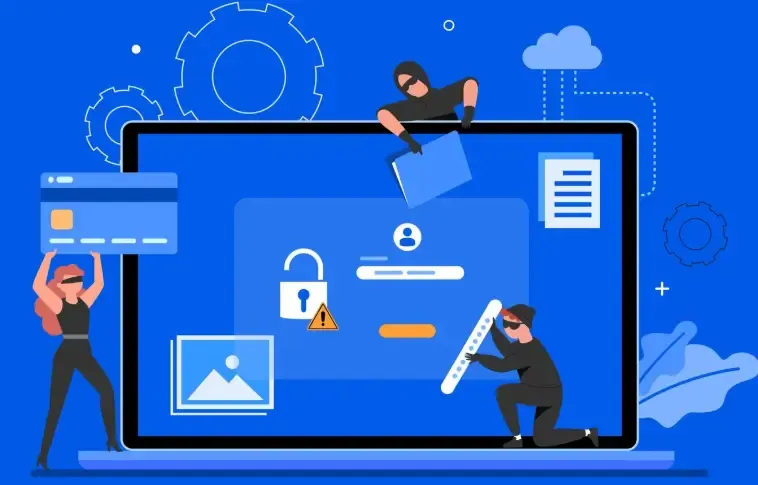
For many cross-border e-commerce users, there are two main concerns: whether the IP is well hidden and whether DNS requests leak back to the local ISP (i.e., DNS leaks).
Both situations have a significant impact on multi-account operations; therefore, it's important to conduct timely DNS leak detection and browser fingerprint detection.
There are many such tools available in the market, and next, I will test five one-click DNS leak detection and browser fingerprint detection tools, hoping to help everyone make better choices.

Why do it?DNS leak detectionAnd browser fingerprint detection?
DNS leaks can expose the websites you visit to ISPs or third parties, while browser fingerprints identify your device as "unique" through information such as fonts, plugins, and Canvas, potentially allowing tracking even if the IP changes. The combination of both detection methods can provide a more comprehensive assessment of online privacy risks. Authoritative testing sites like BrowserLeaks offer modules for DNS, WebRTC, Canvas, etc., making it easier to comprehensively evaluate privacy security.
Comparison of User Experiences with 5 Browser Fingerprint Detection Tools
1. ToDetect (Highly Recommended)
Usability: The interface is extremely minimalistic, one-click detection, and can be mastered in 30 seconds.
DNS detection: Covers regular DNS and random domain name resolution, allowing for quick identification of DNS routing under VPN.
Fingerprinting: Comprehensive capture of Canvas, WebGL, fonts, User-Agent, HTTP headers, etc.
Report: Intuitive, exportable to PDF, with "Risk Warning + Repair Suggestions".
Advantages: Fast, worry-free, one-stop completion of DNS and fingerprint detection, very suitable for ordinary users and VPN beginners.
2. BrowserLeaks (Technical Deep Detection)
Features: Support for multi-dimensional fingerprint detection such as DNS, WebRTC, Canvas, TLS, etc.
Suitable for: technical personnel or security researchers who enjoy detailed data analysis.
A small suggestion: Regular users may need some patience to read the report.
3. BrowserScan (Fast DNS + Fingerprint Detection)
Features: Quick test mode, one-click detection of DNS leaks and WebRTC issues.
Advantages: No technical background is required, suitable for regularly checking if the VPN is functioning properly.
Disadvantages: Fingerprint coverage is slightly simple and cannot deeply analyze browser uniqueness.
4. Panopticlick (EFF, Browser Fingerprinting Uniqueness Analysis)
Features: Mainly assesses whether the browser fingerprint is unique, focusing on privacy risk statistics.
Target audience: Users who are concerned about the possibility of their devices being tracked.
Limitations: Weak DNS leak detection capabilities; needs to be used in conjunction with other tools.
5. AmIUnique / ipleak
Features: Provides detailed field display of browser fingerprint and DNS detection (ipleak).
Target audience: Advanced users who like to compare and check details.
A small suggestion: Using it in conjunction with ToDetect can provide a more comprehensive diagnosis.
WhyToDetectIs the tool "One-Click Experience" more worth choosing?
Low threshold: The report can be understood without a technical background, suitable for the search demand “how to detect DNS leaks and prevent browser fingerprinting.”
Practical advice: Not only inform about the leak but also provide solutions (modify system DNS, enable DoH, check VPN DNS protection).
Report export: convenient for archiving or sending to the team.
Comprehensive coverage: Simultaneously detect DNS and browser fingerprints, one-stop acceptance of VPN settings.
Conclusion
Detecting DNS leaks and browser fingerprints is not complicated; the key is to choose the right tools. For most users, I recommend ToDetect as the first self-check tool: one-click detection of DNS leaks, intuitive display of browser fingerprint risks, and offers repair suggestions, simple and efficient.
 AD
AD