Resources
 Feature overview
What is DNS leakage? How to prevent and fix it (Essentials version)
 Ganesh
 2025-11-10 03:35


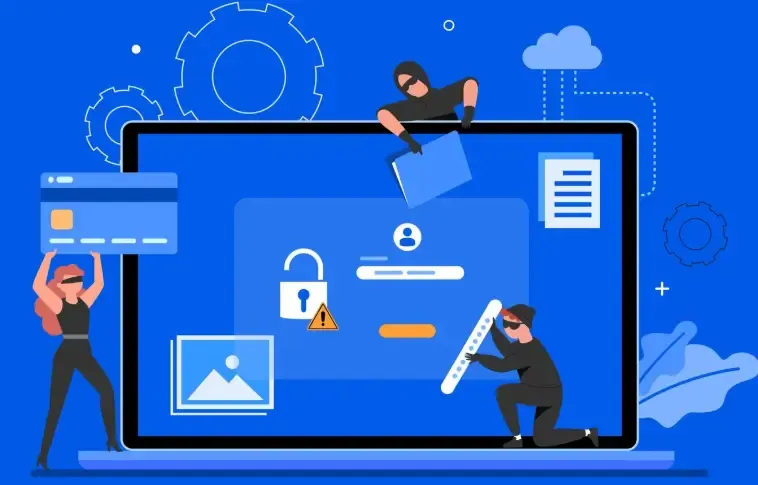
Many people think that as long as they change their IP, everything will be fine and their privacy will be as secure as a rock! In reality, it's not the case.
Even if you are using an IP tool that claims to be "invisible," some small vulnerabilities may still expose your real online behavior to your ISP or third parties, the most common culprit being — DNS leakage.
Next, the editor will give you a detailed explanation of what DNS leakage is and how to protect against it. Additionally, some useful tips will be shared.
1. What is DNS leak?
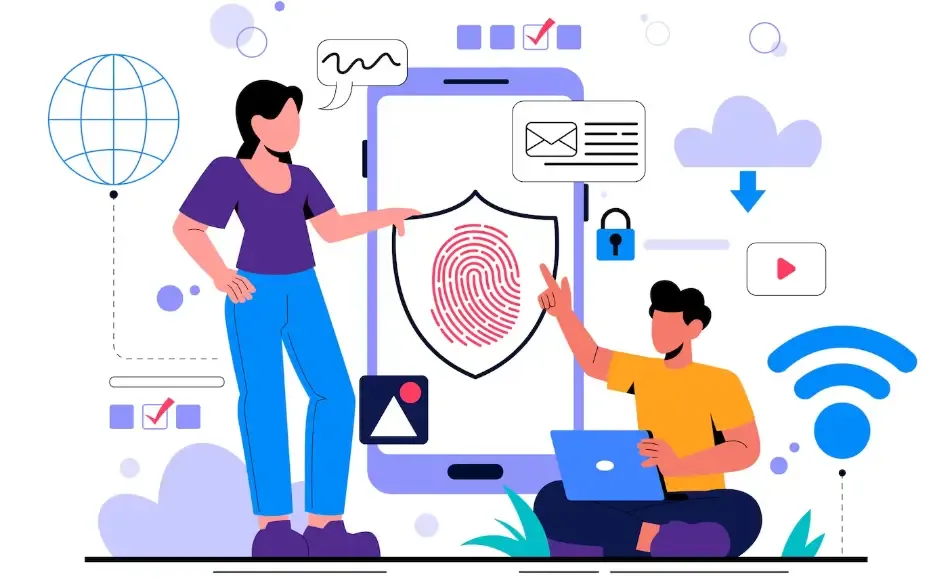
Let's start with a metaphor: DNS is like a phone book. You enter a website address, and DNS helps you find the corresponding server IP address. Normally, your IP tool encrypts and forwards all network requests, preventing others from seeing your real IP. But if DNS requests "sneak out," it's called a DNS leak.
In simple terms, if you think you are on an anonymous network, a DNS leak can expose your ISP or third parties to the websites you have visited.
Common causes of DNS leaks
The IP tool does not have Forced Tunneling (Split-Tunneling).
Many IP tools default to encrypting only part of the traffic, and DNS requests may still go through the local ISP.Hard-coded DNS in the system or router
Some devices default to using the ISP's DNS, so even when the IP tool is running, the resolution will take a "shortcut."Browser WebRTC/QUIC Direct Connection
The browser may bypass IP tools and send requests directly, leading to a high risk of IP leakage.IPv6 is not handled properly.
If the IP tool does not support IPv6, the resolution request may directly use the IPv6 channel.
In summary: When a network request can't find a "safe channel," it will go outside.
Two,DNS leak testAre you really safe?
Want to confirm if you are safe? The most direct method is DNS leak detection.
Specific steps:
Access the DNS leak detection website (https://www.todetect.net/)
Test on different browsers and different devices.
Test IPv4 and IPv6 resolution to ensure nothing is missed.
It is recommended to combine ToDetect browser fingerprint detection to check whether the browser exposes identifiable information, so as to make a more comprehensive assessment of privacy risks.
**Tip:** DNS leak detection + ToDetect browser fingerprint detection, a dual approach for better results.
Three,Preventing and fixing DNS leaksPractical methods
1. IP Tool Settings
Enable the IP tool's **Kill Switch** feature to ensure that when disconnected, it will not automatically revert to the local network.
2. Change DNS service
Use trusted DNS services such as Cloudflare 1.1.1.1, Google 8.8.8.8, or NextDNS.
Prioritize services that support **DoH (DNS over HTTPS) or DoT (DNS over TLS)** to ensure that DNS requests are encrypted.
3. Browser Parameter Security Settings
Enable DoH/DoT in the browser.
Disable or restrict WebRTC to prevent IP from being directly leaked through the browser.
Regularly check whether the browser exposes too much identifiable information in conjunction with ToDetect browser fingerprinting detection.
4. System and Router Settings
Modify DNS at the system or router level to prevent all networked devices from leaking.
If the IP tool does not support IPv6, you may consider temporarily disabling IPv6.
Clear the DNS cache to make the configuration take effect immediately.
Windows:
ipconfig /flushdnsmacOS:
sudo killall -HUP mDNSResponder
Four,DNS Privacy ProtectionTips
Regular checks: After each change of IP tool, router settings, or browser plugins, use ToDetect to perform a DNS leak test.
Choose reliable IP tools: Prioritize IP tools that support DNS leak protection and multiple encryption.
Pay attention to browser extensions: Some extensions may bypass IP tools to send requests, so be mindful of permissions.
Summary:
DNS leakage is not scary, but everyone must take it seriously. Choose the right IP tool + configure trusted DNS + turn off WebRTC + use DNS leak detection + ToDetect browser fingerprint detection = double insurance for privacy security.
Mastering these skills significantly reduces the risk of being tracked, whether in cross-border e-commerce operation, office work, entertainment, or browsing sensitive information.
 AD
AD