Resources
 Feature overview
Daily Check: 5 Steps to Test for DNS Leaks and Stay Safe Online
 Charles
 2026-02-25 04:06


In today’s internet environment, even if your IP is hidden, your browsing records may still quietly leak to others — this is what’s known as a DNS leak.
Once a DNS leak occurs, the websites you’ve visited may expose your real network information to platforms or third parties, posing serious risks to your privacy and account security.
Today, no fluff — we’ll walk you step by step through how to properly perform a DNS leak test. Spend just a few minutes each day on self-checking to browse with greater peace of mind.
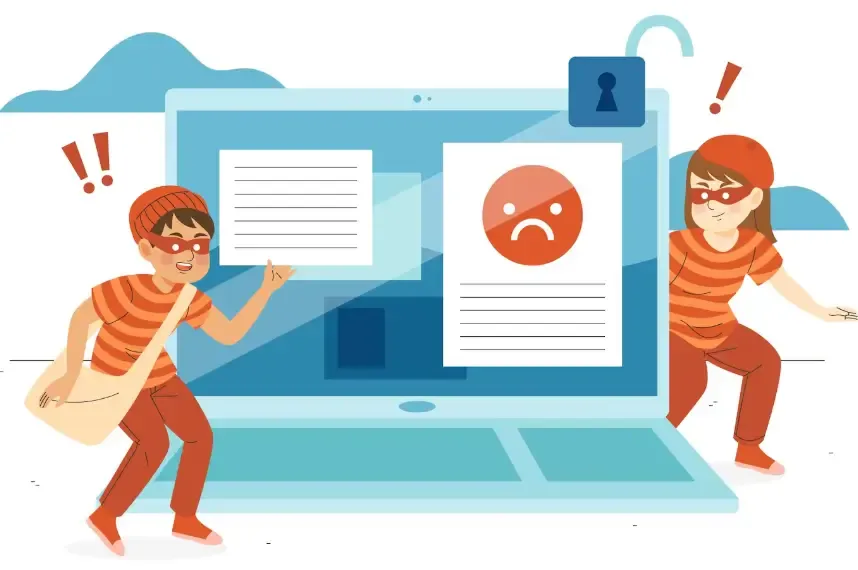
1. First, What Is a DNS Leak?
• Simply put, DNS acts like the “phonebook” of the internet. When you enter a website address, the system uses a DNS server to translate it into an IP address.
• If you are connected to a proxy but your system still uses your local ISP’s DNS server to resolve websites, that situation is called a DNS leak.
• In other words, your real network information may be exposed. That’s why regularly performing a DNS leak test is essential.
2. Why Is DNS Leak Testing So Important?
Many people ask: “If I’m already using an IP tool, can there still be problems?”
The answer is: Yes.
• Common causes include incomplete configuration, browser extension conflicts, system default DNS not disabled, or IPv6 not being properly turned off.
• Without performing a DNS leak test, you simply won’t know whether your network security is truly “safe” or just an illusion.
In addition, modern tracking doesn’t rely solely on IP addresses. Websites often combine IP tracking with browser fingerprinting technology to identify users. Even if your IP is hidden, an unprotected browser fingerprint can still expose you.
3. Daily Check: 5 Steps for DNS Leak Detection
Step 1: Disconnect the Proxy and Record Your Original DNS
Without connecting to any proxy, open a DNS leak testing website and check your current DNS server address.
Record:
• DNS server IP
• Location
• ISP information
This will serve as your “baseline reference.”
Step 2: Perform a DNS Leak Test After Connecting to the Proxy
Reconnect your VPN or proxy tool and perform the DNS leak test again. Focus on:
• Whether the DNS has changed to your proxy provider’s address
• Whether your local ISP still appears
• Whether the location has changed
If your local city still appears, you can basically confirm a DNS leak.
Step 3: Check for IPv6 Leaks
Many people overlook IPv6 — it’s a major source of DNS leaks. It’s recommended to:
• Temporarily disable IPv6 and test again
• Or confirm that your proxy supports IPv6 leak protection
Many so-called “global proxies” only handle IPv4 traffic.
Step 4: Perform a Browser Fingerprint Test
Hiding your IP doesn’t mean you’re anonymous. Many websites use:
• Canvas fingerprinting
• WebGL fingerprinting
• Font data
• Screen resolution
• Time zone and language
for comprehensive identification. You can use the ToDetect fingerprint checker tool to evaluate how much identifiable information your browser is exposing.
Pay attention to:
• Whether your browser uniqueness score is too high
• Whether the fingerprint rating is abnormal
• Whether WebRTC leaks are present
If your fingerprint uniqueness is extremely high, you may still be precisely identified even without a DNS leak.
Step 5: Change DNS and Test Again
If you discover a DNS leak, you can try:
• Manually setting a public DNS
• Using encrypted DNS (DoH / DoT)
• Using your proxy’s built-in DNS feature
Then perform another round of DNS leak testing to confirm the issue is resolved. It’s recommended to test at least twice to avoid cache-related false results.
4. Advanced Tips: Improve Overall Anonymity
1️⃣ Use incognito mode (but don’t overestimate it)
• Incognito mode does not hide your IP — it only prevents local browsing history from being saved.
2️⃣ Regularly clear browser cache
• Prevent long-term fingerprint consistency.
3️⃣ Use separate browser environments
• For example, dedicate one browser to specific activities to reduce account linkage risks.
4️⃣ Regularly perform browser fingerprint testing
• Many people test once and forget about it. In reality, browser updates and plugin changes can alter fingerprint data.
• Just like DNS leak testing, make it a daily habit.
5. DNS Leak Testing Common Misconceptions
• IP tools ≠ absolute security
• IP change ≠ no DNS leak
• Clean browser ≠ anonymous fingerprint
Online privacy isn’t achieved by simply “turning on a tool.” It’s an ongoing process of continuous monitoring and testing.
Final Thoughts
If you truly care about online privacy, treat DNS leak testing and browser fingerprint testing as daily habits.
Spend a few minutes each day running a DNS leak test and use the ToDetect fingerprint checker tool to monitor changes in your browser fingerprint. The cost is minimal, but the peace of mind is significant.
Safe browsing starts with self-checking. Don’t wait until something goes wrong to start paying attention. Remember: daily testing makes secure browsing simple.
 AD
AD