Resources
 Feature overview
DNS Leak: 95% Miss This Privacy Risk (And You Might Too)
 Ganesh
 2026-02-06 03:50


Many people easily overlook this privacy vulnerability — DNS leaks. Unlike an IP address, it’s not obvious, and it can silently expose your real network location to websites, advertisers, and even your ISP.
Simply put, you may think you’re browsing anonymously, but in reality, you might already be “recognized.” At least 95% of users don’t even realize they’re fully exposed.
Today, we’ll show you how to protect your online privacy using DNS leak tests, DNS leak detection, and browser fingerprint checks.
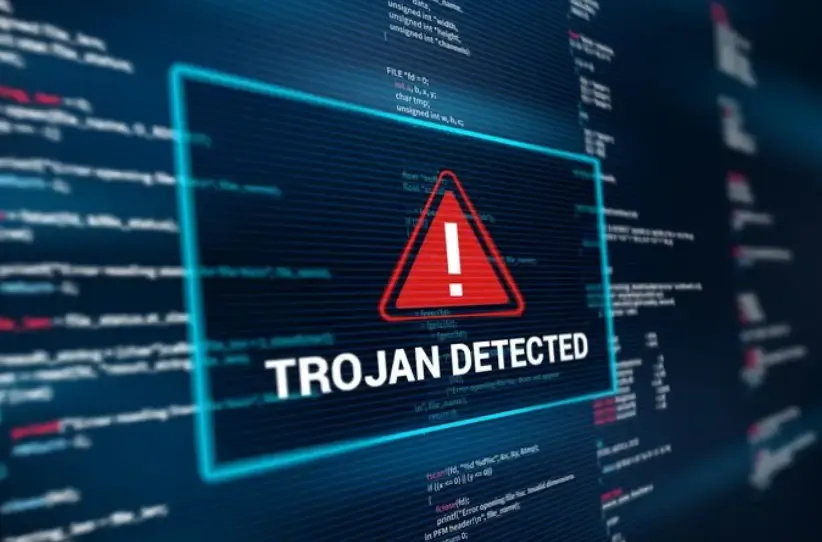
1. What Is a DNS Leak ? More Hidden Than an IP Exposure
In simple terms: a DNS leak means the websites you visit are quietly revealing who you are.
When you type a website address into your browser, your device first asks a DNS server: “What is the real IP address behind this domain name?”
If you’re using a proxy, but the DNS request does not go through the proxy and instead is sent directly to your local network or ISP’s DNS server — that is a DNS leak.
What happens then?
• Website can identify your real region through DNS requests
• Your ISP can still see what sites you visit
• Your privacy protection becomes useless
That’s why some users appear to have a foreign IP but are still accurately identified.
2. Why Are DNS Leaks So Easily Ignored?
1. Invisible to the user
DNS requests happen in the background, and most users never notice them.
2. Many tools don’t protect DNS by default
Some proxy or IP tools only handle IP traffic but ignore DNS.
3. Browsers themselves can cause issues
For example, improper DoH (DNS over HTTPS) settings in Chrome can actually create problems.
So checking only your IP is not enough — you must perform a dedicated DNS leak test.
3. How to Run a DNS Leak Test? One Step to Know
To confirm whether you’re affected, just perform a DNS leak test. The basic process is:
1. Open your browser (preferably the one you normally use)
2. Visit a professional DNS leak testing page
3. Check the returned DNS server information
If the results show:
• Your local ISP’s DNS
• Your real country or city
• DNS servers that don’t match your proxy IP
Then you’re likely experiencing a DNS leak. It’s also recommended to combine this with a browser fingerprint test for a clearer picture.
4. DNS Alone Isn’t Enough — Browser Fingerprints Matter Too
Many people focus only on DNS but ignore another major privacy issue — browser fingerprinting. A browser fingerprint is created from:
• DNS behavior patterns
• Time zone and language
• WebRTC, Canvas, and fonts
• System environment and plugins
That’s why I personally recommend using comprehensive testing platforms like ToDetect fingerprint check.
• Detects DNS leaks at the same time
• Shows your full browser fingerprint risk
• Instantly reveals how identifiable you are
For people involved in cross-border business, e-commerce, advertising, or multi-account environments, this step is essential.
5. How to Prevent DNS Leaks ? Don’t Rely on Luck
1️⃣ System level
• Manually set a secure DNS (such as encrypted DNS)
• Disable the system’s smart DNS services
2️⃣ Browser level
• Check DoH settings and avoid automatic switching
• Disable features that may bypass proxies (such as WebRTC)
3️⃣ Tool level
• Use tools that support full DNS proxying
• Regularly perform DNS leak tests and fingerprint checks
In short: protection isn’t a one-time setup — it requires continuous verification.
Final Thoughts: Privacy Is All About the Details
Don’t take your privacy for granted. DNS leaks may be invisible, but they can quietly expose your browsing behavior, while browser fingerprints can make you fully identifiable.
Remember: run regular DNS leak tests, make sure your network requests aren’t going astray, and combine DNS protection with a ToDetect fingerprint-checking tool to minimize risks.
Spend just a few minutes checking, and you’ll already be ahead of most people. Privacy has never been just for tech experts — it’s a basic skill everyone online should care about.
 AD
AD