Resources
 Feature overview
Can Changing IP Hide Browser Fingerprint? Essential Protection Guide
 browser
 2025-12-10 06:15


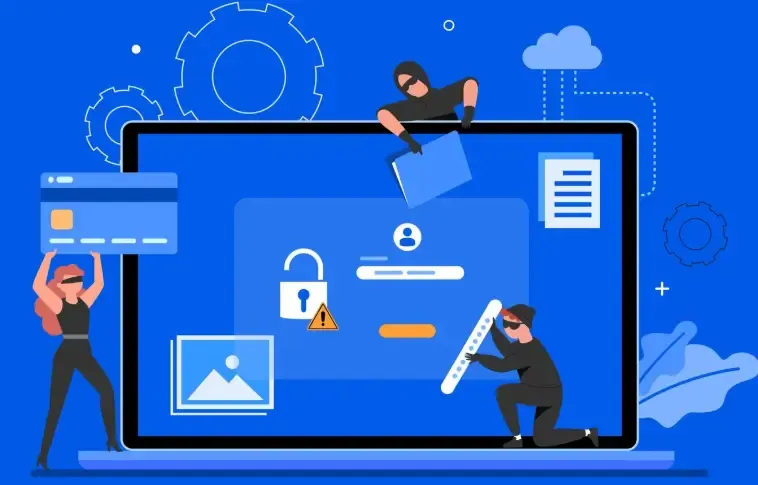
You might think that simply changing your IP address can make you “invisible,” and platforms won’t be able to track you. But in reality, your browser and device leave behind a unique “fingerprint.”
In other words, the IP address is just your “house number” on the internet, while the browser fingerprint is your “ID card.” If you truly want to protect your privacy, changing only your IP address is far from enough.
Next, let’s talk about how to protect your browser fingerprint from being easily identified.

1. What Is a Browser Fingerprint?
Simply put, a browser fingerprint is a collection of unique information your browser leaves when you browse the web. It includes your operating system, browser version, fonts, screen resolution, plugin information, and even your mouse movement habits.
This is why many websites now use browser fingerprinting technology to identify users. Even if you change your IP address, websites can still determine whether you’re the same person through these details.
2. What’s the Difference Between an IP Address and a Browser Fingerprint?
Many people confuse IP addresses with browser fingerprints. Both can be used to identify you, but their methods and purposes are completely different:
| Feature | IP Address | Browser Fingerprint |
|---|---|---|
| Identification Method | Network location | Browser and device characteristics |
| Replaceability | Can be changed using IP tools or proxies | Hard to fully change; requires fingerprint browser or tools |
| Privacy Impact | Temporarily hides geographic information | Can track user behavior long-term |
| Use Cases | Geolocation, access control | User identification, ad tracking, anti-cheating |
So even if you frequently change your IP address, websites can still identify you via your browser fingerprint.
3. Can Changing Your IP Address Hide Your Browser Fingerprint?
The short answer is: No.
Changing your IP address only alters your “network identity,” making it harder for others to determine your geographic location. But browser fingerprints are generated based on your device and browser characteristics, which have nothing to do with your IP address.
4. How to Check Your Browser Fingerprint?
To understand how easily you can be tracked, you can use the ToDetect fingerprint detection tool:
1. Open the ToDetect website
2. Allow it to check your browser information
3. Get a detailed report
The report will show your browser fingerprint information, including OS, browser version, screen resolution, fonts, plugins, and more. Using this information, you can clearly see which aspects make you easy to identify and take protective measures.
5. How to Protect Your Browser Fingerprint
1. Use a Fingerprint Browser
Fingerprint browsers randomize or block certain characteristics, making your fingerprint harder to identify.
2. Use IP Tools or Proxies Together
IP tools can hide your IP address to prevent websites from geolocating you. When combined with a fingerprint browser, they significantly reduce tracking risk.
But note: IP tools only affect the network layer and do not change browser fingerprints.
3. Incognito Mode and Extensions
Incognito mode: Reduces history and cookies, but the browser fingerprint still exists.
Anti-fingerprint extensions: Such as CanvasBlocker, can block some fingerprinting methods but have limited effect.
6. The Relationship Between IP Lookup and Browser Fingerprint Detection
IP Lookup: Shows your city, country, or ISP.
Browser Fingerprint Detection: Identifies your device and browser characteristics.
Combined, websites can more accurately determine a user’s identity. For example, if an IP changes frequently but the fingerprint stays the same, the system can detect abnormal behavior.
7. Common Questions About Browser Fingerprint Detection
Q1: Can changing my IP address make me anonymous online?
No. The IP address is only a network identifier. Browser fingerprints are a deeper device-based identification method. To stay anonymous, you must hide both your IP and your fingerprint.
Q2: Can a fingerprint browser completely prevent tracking?
No. It can reduce the chance of being identified, but advanced websites can still recognize users through more complex methods.
Q3: How do I use ToDetect to check myself?
Visit the ToDetect website → Allow detection → Get your report.
Q4: What’s the difference between IP lookup and browser fingerprint detection?
IP lookup finds your location, while fingerprinting finds device features. Combined, they identify users more accurately.
Q5: Does long-term use of IP tools affect browser fingerprints?
No. IP tools only change IP addresses; they do not affect browser fingerprints.
Summary
Changing your IP address can only hide your location on the internet. It cannot conceal your browser fingerprint—your “digital ID card.”
To enhance privacy: use fingerprint browsers to randomize characteristics, combine with IP tools or proxies, and use ToDetect to check your fingerprint status.
To truly become “invisible,” you need to use multiple methods together—not rely on a single tool.
 AD
AD