Resources
 Feature overview
Worried about fingerprint browser safety? Tweak these settings for peace of mind
 browser
 2026-02-26 03:56


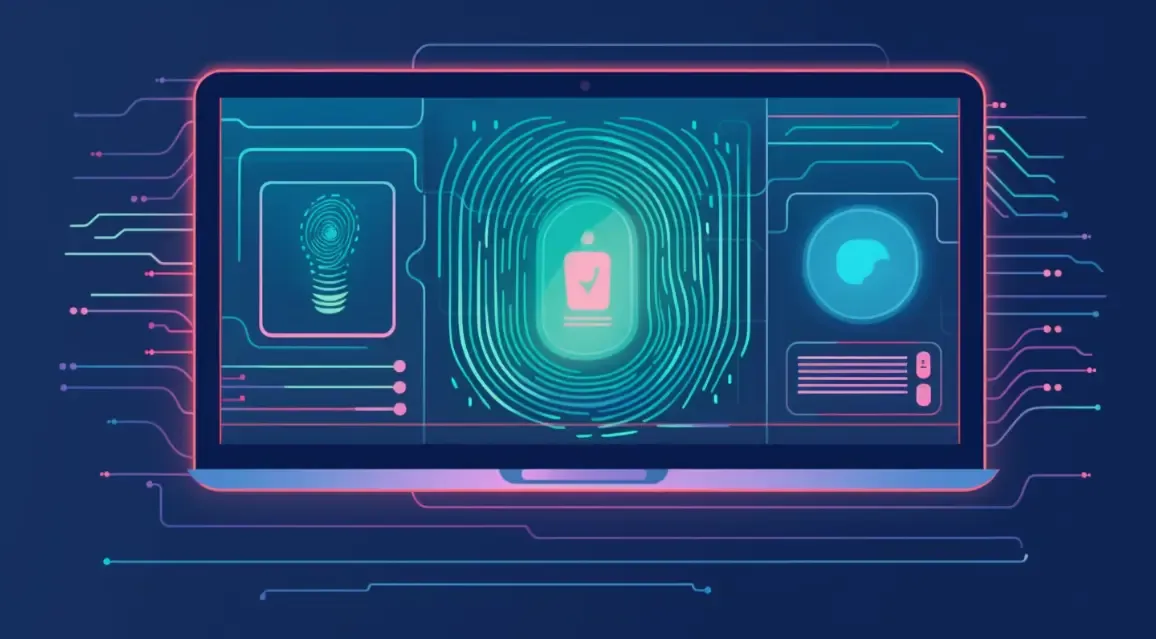
Recently, “fingerprint browsers” have become increasingly popular. They help hide our real identity and prevent tracking. Many people ask: “Are fingerprint browsers really safe? Will they leak my data?”
Today, we’ll walk you through the principles, advantages, and risks of fingerprint browsers step by step. After reading this article, you’ll have a much clearer understanding of browser security.

1. What Is a Fingerprint Browser?
• A fingerprint browser is a type of browser specifically optimized to counter browser fingerprint detection.
• Regular browsers offer limited privacy protection. Once your browser fingerprint is collected, you may theoretically be tracked or even targeted for advertising.
• Fingerprint browsers were created to address this issue and make your online activities more secure.
2. Is Fingerprint Browser Safe?
• Anti-Browser Fingerprinting
Fingerprint browsers actively disguise your browser information, making your fingerprint appear like that of a “regular user,” thereby reducing the risk of being tracked.
• Blocking Tracking Scripts
Many fingerprint browsers block third-party tracking scripts by default, such as those used by advertisers and data collectors, reducing privacy leaks at the source.
• Multi-Account Isolation
If you need to log into multiple accounts simultaneously for testing or work, fingerprint browsers can generate independent environments for each account to prevent data linking.
Of course, some low-quality or unknown fingerprint browsers may pose data leakage risks. Therefore, when choosing a browser, always pay attention to the brand and security certifications.
3. Will a Fingerprint Browser Leak Data?
The most common concern is: Will using a fingerprint browser leak data? The answer is: it depends on how you use it.
• Reputable Fingerprint Browsers
Browsers maintained by well-known companies or open-source communities typically provide privacy policies and security guarantees, resulting in lower data leakage risks.
• Unknown or Unofficial Versions
If you download from unofficial sources or use cracked versions, they may contain malicious plugins that secretly collect your data.
Therefore, always download fingerprint browsers from official sources and keep them updated regularly to avoid risks caused by vulnerabilities.
4. How to Test Your Browser’s Security?
In addition to choosing a reliable browser, you can test your browser security yourself. We recommend the ToDetect Fingerprint Checker Tool:
• Function: ToDetect quickly analyzes your browser fingerprint information, including operating system, browser version, font list, plugins, and more.
• Purpose: By checking your fingerprint, you can see whether your browser is easily identifiable and evaluate its security and anonymity level.
It’s simple to use—just open the ToDetect Fingerprint Checker Tool, click “Start Detection,” and within seconds you’ll receive a detailed report.
5. Step-by-Step Guide to Setting Up Fingerprint Browser Parameters
1. Download the Official Fingerprint Browser
• Always download the fingerprint browser from official sources to avoid malicious plugins or pirated software collecting your data.
• Most reputable browser brands provide official installation packages. After downloading, install it on your computer or mobile device.
Tip: Do not trust “cracked versions” or “ad-free versions,” as their security cannot be guaranteed.
2. Basic Settings: Browser Fingerprint Protection
After opening the browser, locate the “Privacy Protection” or “Browser Fingerprint Protection” option, usually found under “Security & Privacy” in settings.
• Enable Fingerprint Spoofing: Make your browser fingerprint appear more “normal” to reduce tracking risks.
• Choose a Spoofing Strategy: Most browsers offer “Standard Mode,” “Strict Mode,” or “Custom Mode.” Beginners are advised to start with “Standard Mode” for better stability and compatibility.
3. Multi-Account Isolation Setup
If you need to log into multiple accounts at the same time (for operations or testing), use the browser’s multi-environment or multi-account feature:
• Create independent account environments, each with separate cache, cookies, and fingerprint information.
• Prevent data linking between different accounts to protect privacy.
4. Security Plugin and Extension Management
Although fingerprint browsers are secure, installing plugins may still expose information. It is recommended to:
• Only install officially recommended or well-known plugins
• Regularly review plugin permissions and disable unnecessary access
• Avoid installing plugins or scripts from unknown sources
5. Regular Maintenance and Updates
• Update Browser Versions: Patch vulnerabilities
• Review Plugins and Fingerprint Strategies: Maintain security
• Recheck Browser Fingerprint: Ensure long-term privacy protection
By following this process, even beginners can configure a fingerprint browser to be both secure and stable, maximizing personal privacy protection.
Conclusion
Fingerprint browsers do offer significant advantages in protecting privacy and resisting browser fingerprint detection. However, security is not absolute—it depends on the browser brand you choose, your usage habits, and your configuration.
The safest approach is to choose a reputable fingerprint browser, manually configure fingerprint protection, use the ToDetect Fingerprint Checker Tool for testing, and keep everything regularly updated and maintained.
Internet privacy protection is not a one-time action, but a long-term habit. Understanding browser fingerprinting is the first step toward truly controlling your personal data.
 AD
AD