Resources
 Feature overview
How to Use a YouTube Proxy Without Getting Blocked: Complete Guide (Beginner to Advanced)
 Alani
Alani 2026-03-26 03:32


Across the globe, YouTube appears to be open to all users. However, in reality, there are differences in access permissions, behavioral restrictions, and content visibility for different users.
Whether you want to manage accounts in bulk, perform data analysis, or simply access videos restricted in certain regions, you will quickly encounter issues such as IP blocking, request rate limits, and geo-restrictions.
At this point, YouTube proxy services become a critical tool. Today, we’ll walk you through what a YouTube proxy is, the different types available, how to use them correctly, and how to avoid common pitfalls.
1. What is a YouTube Proxy?
Simply put, a YouTube proxy acts as an intermediary.
• When you access YouTube through a proxy, your real IP address is hidden, and your requests are sent through another IP.
• This makes the platform believe you are accessing it from a different location or device.
• Note: YouTube’s risk control system is highly sophisticated—it evaluates IP quality, user behavior, and device fingerprinting to detect anomalies.
As a result, cheap or low-quality proxies often stop working quickly.
2. What Are the Benefits of Using a YouTube Proxy?
If you're just casually watching videos, you may not need a proxy. But once you move into “scalable operations,” proxies become essential.
Common use cases include:
• Avoiding IP linkage when managing multiple accounts
• Scraping video data (views, comments, tags, etc.)
• Bypassing geo-restrictions to access specific content
• Automation (likes, comments, watch time, etc.)
• Ad testing and performance analysis
In short: 👉 Without proxies, both your scale and stability will be severely limited.
3. Which Type of Proxy Is Best for YouTube?
Different needs require different proxy types. Choosing the wrong one can be worse than not using one at all.
1. Residential Proxy
These proxies come from real user networks (home broadband) and appear highly “natural” to platforms. Suitable for:
• Multi-account login and management
• Long-duration stable viewing
• Simulating real user behavior
Recommendation: Use “sticky IPs” for login-related actions to avoid frequent switching that may trigger account issues.
2. Mobile Proxy
Mobile network IPs (4G/5G) have the highest trust level across platforms. Suitable for:
• Automated interactions (likes, comments, views)
• Reducing CAPTCHA (reCAPTCHA) triggers
• Simulating real mobile users
Feature: 👉 Higher cost, but best stability and security
3. Rotating Proxy
IPs are automatically changed per request or at set intervals. Suitable for:
• Large-scale data scraping
• SEO analysis (simulating different users)
• Bulk video page access
⚠️ Note: Do NOT use rotating proxies for login actions—it can easily trigger risk controls.
4. How to Configure a YouTube Proxy (Step-by-Step)
Setup is actually quite simple—even non-technical users can handle it.
Method 1: Browser Configuration
Use Chrome / Firefox extensions (proxy plugins)
Enter the proxy details: IP address, port, username/password. Ideal for daily use or quick testing.
Method 2: Anti-Detection Browsers
Tools like bitbrowser allow you to create multiple independent browser environments, each bound to a different proxy and simulating unique device fingerprints.
👉 Perfect for multi-account operations
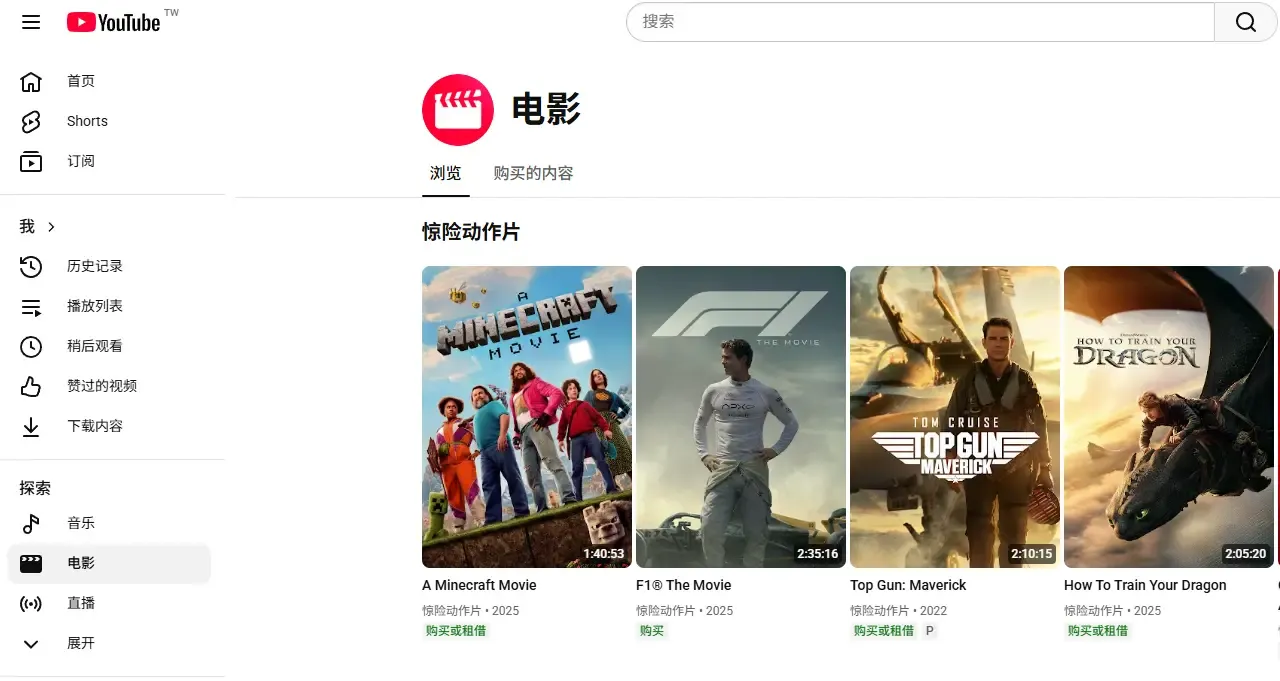
Method 3: Automation Tools
Advanced users can use: Python + Selenium, Puppeteer.
Example configuration (concept): proxy = "http://username:password@ip:port"
Use cases: data scraping, automation, ad testing.
5. How to Choose a Reliable Proxy Provider?
When choosing a provider, don’t focus only on price—these factors matter more:
• Support for session persistence (sticky IP)
• Availability of real residential/mobile IPs
• Ability to target specific countries or cities
• Clean IP pool (not previously abused)
• Connection speed and stability
• Why are cheap proxies not recommended?
Low-cost proxies often have reused IPs or are data center IPs (easily detected).
They may already be flagged by platforms 👉 resulting in quick bans or throttling
6. Common Mistakes When Using YouTube Proxies
△ Using data center proxies
Easily detected and generally unsuitable for YouTube
△ Frequently switching IPs during login
Can directly trigger account warnings or bans
△ Using one IP for multiple accounts
Very likely to be flagged as “bulk operation”
△ Using “dirty IPs”
Previously abused IPs with poor reputation
Final Summary
A stable and reliable YouTube proxy is essentially infrastructure. It not only helps reduce risk but also significantly improves efficiency and scalability.
In addition to IP, YouTube also identifies users through browser fingerprinting. Even if you change your IP, identical fingerprints can still get you detected.
At this point, you can use the todetect tool to check your browser environment:
• Check whether your browser fingerprint is unique
• Determine whether it is easily detectable or linkable
• Help optimize anti-detection browser configurations
In simple terms: proxies determine “where you’re from,” while fingerprints define “who you are.” Only by combining both can you achieve stable and secure YouTube usage.
 AD
AD