Resources
 Feature overview
Top 6 Dynamic Proxy Providers in 2026 (Pricing & Review)
 Alani
Alani 2026-03-18 07:23


In cross-border e-commerce, social media marketing, and data scraping, dynamic proxy IPs have become one of the essential tools. Compared to static IPs, dynamic IPs offer stronger anonymity and a lower risk of bans, which is why more teams are adopting them.
But this also brings a common challenge:
With so many proxy providers on the market, and huge differences in pricing, quality, and stability — how do you choose the right one?
This article reviews 6 mainstream dynamic proxy IP providers in 2026, comparing them across IP quality, stability, use cases, and pricing to help you make a better decision.
一. What Is a Dynamic Proxy IP?
A dynamic proxy IP refers to an IP address that automatically rotates (per request or by time interval), typically sourced from real residential networks.
Compared to datacenter IPs, dynamic residential proxies offer:
• Higher anonymity (closer to real user behavior)
• Lower ban rates
• Support for large-scale multi-account operations
• Global location targeting
二. 2026 Dynamic Proxy Pricing & Comparison
| Provider | Type | Starting Price | IP Quality | Stability | Best For |
|---|---|---|---|---|---|
| Bright Data | Residential/Mobile | High | ⭐⭐⭐⭐⭐ | ⭐⭐⭐⭐⭐ | Enterprises / Scraping Teams |
| Oxylabs | Residential | High | ⭐⭐⭐⭐⭐ | ⭐⭐⭐⭐⭐ | Premium Data Collection |
| IPDEEP | Dynamic Residential | Low | ⭐⭐⭐⭐⭐ | ⭐⭐⭐⭐⭐ | E-commerce / Social Media / Web3 |
| Smartproxy | Residential | Mid-High | ⭐⭐⭐⭐ | ⭐⭐⭐⭐ | Small & Medium Teams |
| SOAX | Residential/Mobile | Medium | ⭐⭐⭐⭐ | ⭐⭐⭐⭐ | Precision Operations |
| IPRoyal | Residential | Low | ⭐⭐⭐ | ⭐⭐⭐ | Beginners |
三. Detailed Reviews of 6 Proxy Providers
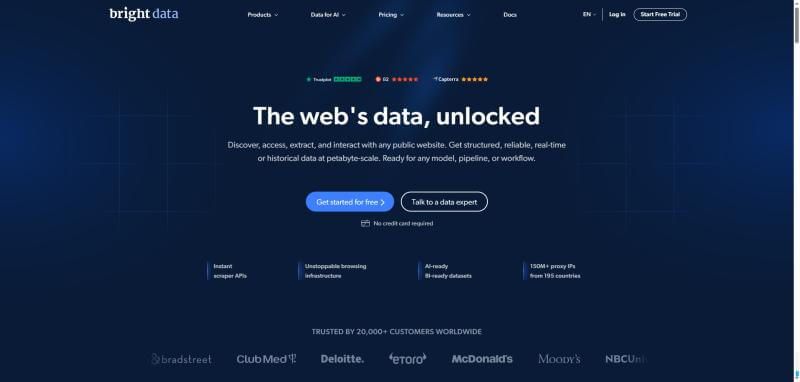
1.Bright Data (Industry Leader)
As a long-established provider, Bright Data leads in global IP coverage and technical capabilities.
Pros:
• Massive global IP pool
• City-level targeting
• High success rates (ideal for scraping)
Cons:
• Expensive
• Not beginner-friendly
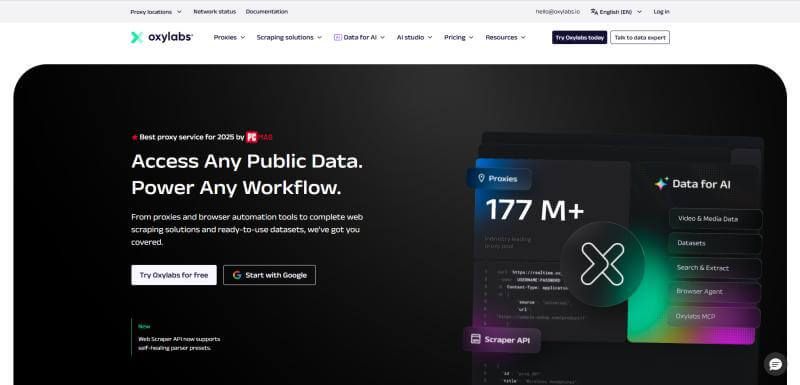
2.Oxylabs (Enterprise-Grade Stability)
Oxylabs focuses on compliance and stability, making it a top choice for large enterprises.
Pros:
• Enterprise-level support
• Exceptional stability
• High data collection success rate
Cons:
• High cost
• Limited flexibility
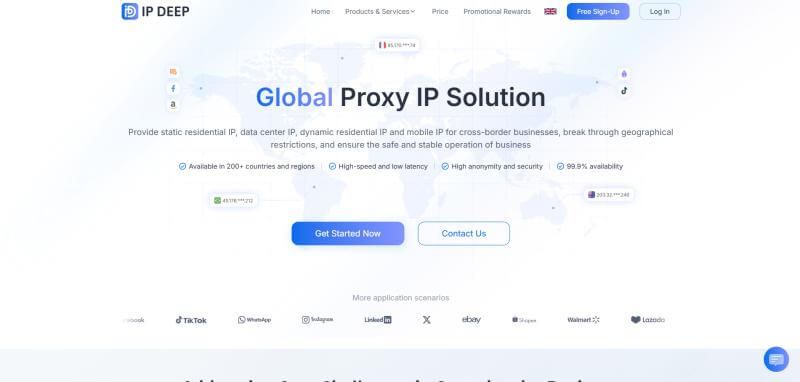
3. IPDEEP (Practical Dynamic Residential Proxy)
Among many providers, IPDEEP focuses more on real-world use case optimization.
Key Advantages:
• Real residential IPs, closer to actual users
• Flexible rotation (per request / time-based)
• Stable performance in e-commerce, social media, and Web3
• Compatible with multi-account tools (e.g., fingerprint browsers)
Compared to “parameter-focused” providers, IPDEEP prioritizes:
• Real-world success rates
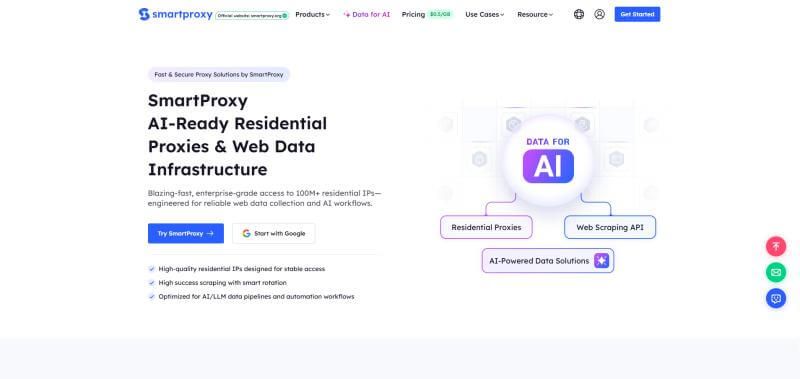
4.Smartproxy (Best Value)
Smartproxy is a popular entry choice for small and mid-sized teams.
Pros:
• Easy to use
• Affordable pricing
• Supports multiple integrations
Cons:
• Slight instability under high concurrency
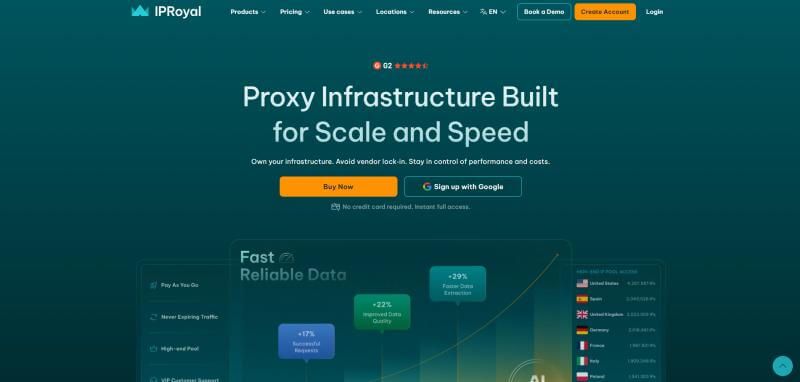
5.IPRoyal (Beginner-Friendly)
Suitable for users with limited budgets or testing needs.
Pros:
• Low cost
• Flexible purchasing
Cons:
• Limited stability and IP pool size
6.SOAX (Flexible Configuration)
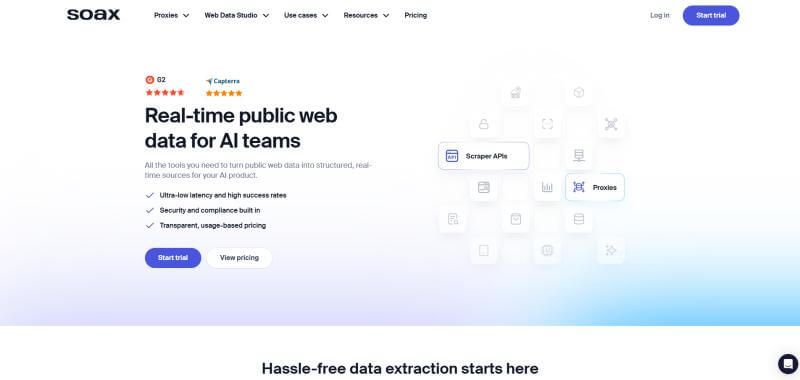
SOAX stands out for its high level of control.
Pros:
• Advanced filtering options
• High IP purity
• Ideal for region-specific use cases
Cons:
• Not cheap
• Slight instability during peak times
四. How to Choose the Best Dynamic Proxy?
1. Data Scraping / Crawling
Bright Data / IPDEEP / Oxylabs
2. Small Teams / Automation Tools
Smartproxy / SOAX / IPDEEP
3. E-commerce / Social Media / Web3
Recommended priorities:
• IP authenticity
• Stability
• Compatibility with fingerprint browsers
IPDEEP performs especially well in real-world scenarios.
五. 3 Key Factors Affecting Proxy Performance
1. IP Quality
2. Browser Fingerprint
3. User Behavior
六. Summary
The dynamic proxy market in 2026 is highly mature, with each provider having its own positioning:
Premium: Bright Data, IPDEEP, Oxylabs
Cost-effective: Smartproxy, SOAX, IPDEEP
Beginner: IPRoyal
Practical choice: IPDEEP
If your goal is:
Stable account operation + cost control + higher success rates
Then it’s better to choose solutions optimized for real-world use cases, rather than just focusing on specs.
七. FAQ
1. Can dynamic residential proxies get banned?
Yes, but the risk is much lower than datacenter IPs.
2. Which is better: dynamic or static proxies?
Dynamic proxies are better for multi-account and high-anonymity use cases.
3. What proxy is best for e-commerce?
Dynamic residential proxies + fingerprint browsers
Finally, if you want to test the quality of your proxy IPs, try ToDetect Fingerprint Detection Tool. It helps check IP purity, network speed, DNS leaks, and generates detailed reports to support your business.
 AD
AD