Resources
 Feature overview
What is Port Scanning? And Why It’s the Most Overlooked Part of Browser Fingerprinting
 browser
 2025-12-19 06:03


When people mention browser fingerprint detection, the first things that come to mind are common items like Canvas, WebGL, fonts, and timezone. Port scanning, however, is often the most overlooked yet potentially the most critical aspect.
Unlike fingerprint parameters, it is not intuitive and does not provide any prompts on the page, yet it can expose a large amount of local environment information without you noticing.
Next, let's discuss: what exactly is port scanning? What role does it play in browser fingerprint detection?
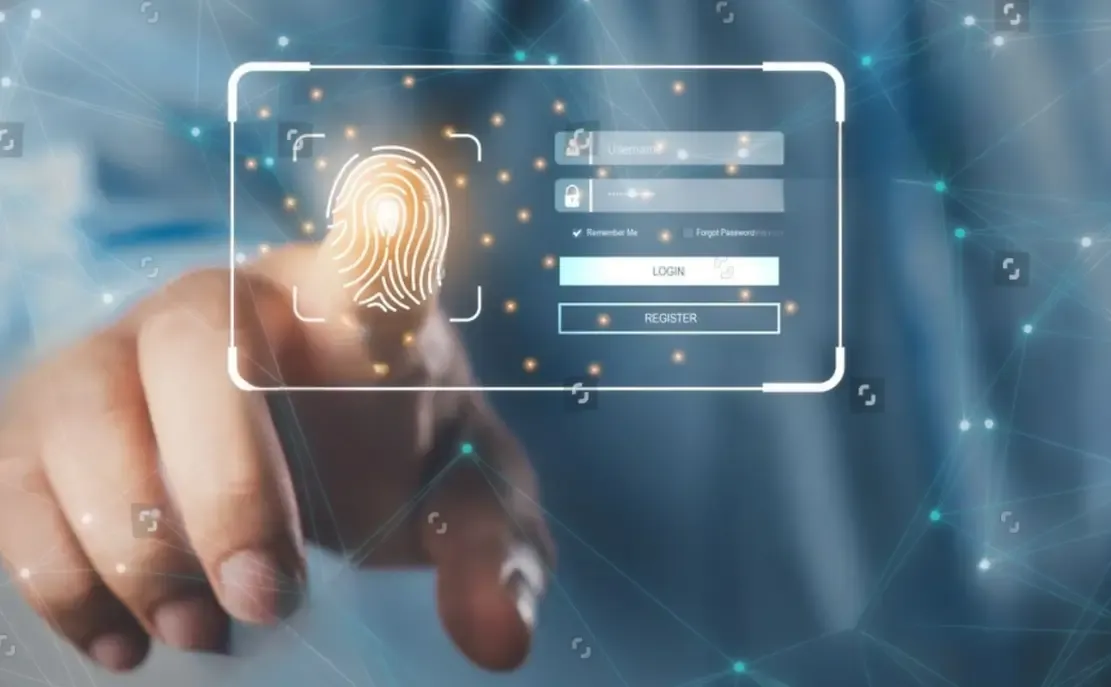
1. What exactly is port scanning?
Port scanning is a technique used to determine characteristics of your local environment. Simply put:
Are there certain software, proxy tools, virtual machine components, or local services running on your computer?
The browser itself cannot see these directly, but by scanning local ports, it can "infer" them indirectly.
Here's a realistic example:
• Some proxy software opens fixed ports locally
• Automation and debugging tools have default ports
• Virtual environments and container services leave port traces
Individually, this information may seem trivial, but once incorporated into the browser fingerprinting system, it becomes key evidence to determine whether you are "abnormal."
2. How is port scanning used in browser fingerprint detection?
Many people think browsers can only "view web pages," but that is not the case.
In modern risk control systems, browsers can attempt to connect to local ports in multiple ways, such as:
• WebSocket probing
• Local service loopback testing
• Judging specific port response times
These actions do not notify the user or show pop-ups, but the backend records them immediately.
This explains situations like:
• Fingerprint parameters appear "normal"
• IP is clean, UA is genuine
Yet the account is still restricted, risk-controlled, or verified, often due to port scanning.
3. Why is port scanning so easily overlooked?
1️⃣ Invisible and intangible
Unlike Canvas fingerprints, port scanning has no visual results. Ordinary users have no idea what the browser is "secretly doing."
2️⃣ Most anti-fingerprint guides don’t cover it
Many guides focus on "changing parameters" or "changing fingerprints," but completely ignore local port exposure.
3️⃣ More complex environments, higher risk
Development environments, automation setups, multi-instance tools, and virtual machine users almost inevitably leave port traces.
In short: it's not that you don't know how to protect yourself, it's that you don't even know you need to.
4. How are port scanning and browser fingerprint detection linked?
Mature fingerprint risk control systems rarely rely on a single dimension. They are more like "scoring":
• Whether browser fingerprints are consistent
• Whether IP matches the environment
• Whether local port characteristics are abnormal
• Whether behavior patterns are reasonable
When port scanning results deviate from the "normal user model," even if your other parameters are clean, you will be labeled high risk.
5. How to detect if you have port fingerprint risks?
Guessing based on intuition is essentially blind protection. A more reliable approach is to use professional fingerprint detection tools for overall evaluation.
Advantages of the ToDetect fingerprint tool include:
• Can detect common browser fingerprint items
• Simultaneously assess potential local environment exposure risks
• Closer to real platform detection logic
It does not just tell you "what you are exposing," but helps you determine:
Whether these fingerprints are considered abnormal by real risk control systems. This is crucial for those managing multiple accounts, environment isolation, or anti-detection setups.
Conclusion
Port scanning itself is not complex; what is complex is how it has been quietly integrated into more and more platform risk control systems, while most users are completely unaware.
Modern browser fingerprint detection is no longer a single-point judgment but a complete environmental trust assessment system.
If you want your environment to resemble that of real users, using the ToDetect fingerprint tool to systematically check your overall fingerprint status is often more valuable than repeatedly "changing configurations."
 AD
AD