Resources
 Feature overview
5 Risks of Browser Fingerprint Leaks — See What Your Device Reveals
 Charles
 2025-11-27 02:35


Nowadays, people working in cross-border e-commerce or social media operations are used to clearing browser cookies, using incognito mode, and even installing various privacy extensions.
But platforms can still instantly recognize your unique device information. Even if you change your IP or clear your cache, they can still track you — and even associate your accounts.
This is caused by browser fingerprint leakage. Next, let me explain in detail the 5 major risks of browser fingerprint leakage! See how much information your device is actually exposing.

1. What exactly is a browser fingerprint?
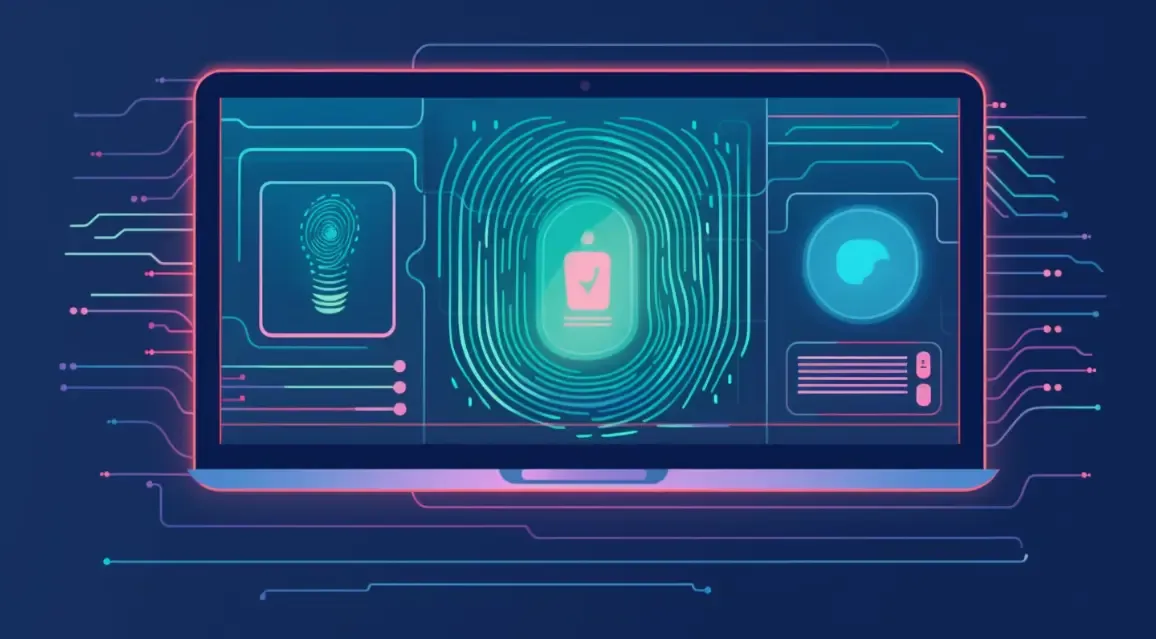
Simply put, a browser fingerprint is a collection of information your device actively or passively exposes when visiting a website. Individually, these data points seem harmless, but when combined, they form an almost unique “signature” that websites can easily use to identify you.
It’s like going out with a mask on — people only need to look at your eyes, height, shoes, and walking style to roughly know who you are.
2. Five major risks of browser fingerprint leakage
1. Long-term privacy tracking
Think incognito mode leaves no trace? Browser fingerprints don’t disappear just because you’re “private browsing.”
Many websites use fingerprints to track your behavior with precision — harder to block than cookies, and they can even recognize you across different websites.
This means what you visit, how long you stay, and your navigation patterns can all be recorded by advertisers or data-analytics companies.
2. More persistent targeted advertising
Ever encountered this: you look at a pair of shoes once, and the entire internet keeps pushing shoes to you?
Fingerprint tracking makes targeted ads even “stickier,” making it harder to escape recommendation loops.
3. Increased account-risk and security triggers
More and more platforms evaluate whether a user is “abnormal” based on their browser fingerprint.
Sudden fingerprint change: may trigger security checks
Fingerprint inconsistent with usual device: may require verification code
Some anti-fraud systems may even block “abnormal fingerprints”
For users who require a stable operating environment, this can be very frustrating.
4. Black-market groups use fingerprints for profiling
Some illicit groups collect browser fingerprints in bulk to analyze “high-value targets” or conduct fraud.
For example, if your system is new, your screen resolution is high, and your hardware is powerful, you may be classified as a “premium user,” making you more likely to be targeted.
5. More severe exposure in a data breach
If a website’s database is leaked and your fingerprint is tied to your account, it means that besides password leakage, a long-term identifier about you is also exposed — making consequences even worse.
3. Test it yourself: how “unique” is your browser fingerprint?
Use the ToDetect fingerprint detection tool to run a browser-fingerprint check. In just a few seconds, you can see your fingerprint characteristics, uniqueness score, and detailed exposed information.
This kind of detection is far more intuitive than traditional “tracking on/off” tips and helps you understand:
Whether your device is easily identifiable
Which fingerprint information is most exposed
Whether you need stronger privacy protection
Very useful for people in cross-border e-commerce, anti-risk operations, or privacy management.
4. How can regular users reduce browser-fingerprint risks?
Reduce unnecessary browser extensions
The more extensions you use, the more unique your fingerprint becomes — especially niche ones that instantly reveal it’s you.Avoid outdated browsers
Old versions create extremely high “uniqueness,” making you easier to identify.Add a layer of privacy protection
You can use fingerprint-interference tools, but make sure to choose legitimate, safe options that do not disrupt normal usage.Regularly use ToDetect for fingerprint checks
Like a health check, monitor whether your fingerprint characteristics have changed and whether your privacy settings need adjustment.
Conclusion
Browser fingerprint leakage is not scary — but it should not be ignored.
A browser fingerprint is not a virus, nor is it a hacking attack. It is essentially a recognition technology. The scary part is that many people don’t even know it exists, let alone the privacy risks it brings.
If you’ve never done a browser fingerprint check before, use the ToDetect fingerprint detection tool to test it.
Only when you understand your exposure level can you better protect your privacy.
 AD
AD