


 Resources

 Feature overview

 Ganesh
 2026-10-26 11:01
Want to know if an IP address is reliable? Beyond Ping0, which IP purity detection tools are actually worth using?
Some of the more common options out there include ToDetect, IP138, WhatIsMyIPAddress, IPinfo, Scamalytics, and IPIP.net. They all provide some level of IP intelligence, but each one checks different things.
Some focus on geolocation and ISP lookup, others care about IP reputation, and a few go further into browser network environment checks. Before picking a tool, it helps to understand what each one actually does.
I. IP Purity Detection — What Does It Actually Check?
"IP purity" generally describes the reputation status of an IP address. It's not a universal technical standard, and there's no single score that applies across every website.
Common IP quality metrics include: geolocation, ISP carrier, ASN (Autonomous System Number), network type, blacklist records, and abnormal activity risk.
One thing to keep in mind: IP reputation and browser environment security are two different things. IP detection focuses on the address itself, whereas DNS leak, WebRTC, and browser fingerprint tests reveal what your current device might be exposing on the network.
II. 6 IP Purity Detection Tools Worth Knowing About
1. ToDetect — All-in-One Network Environment Check
ToDetect is a solid fit if you want to see both IP info and your browser's network state in one place.
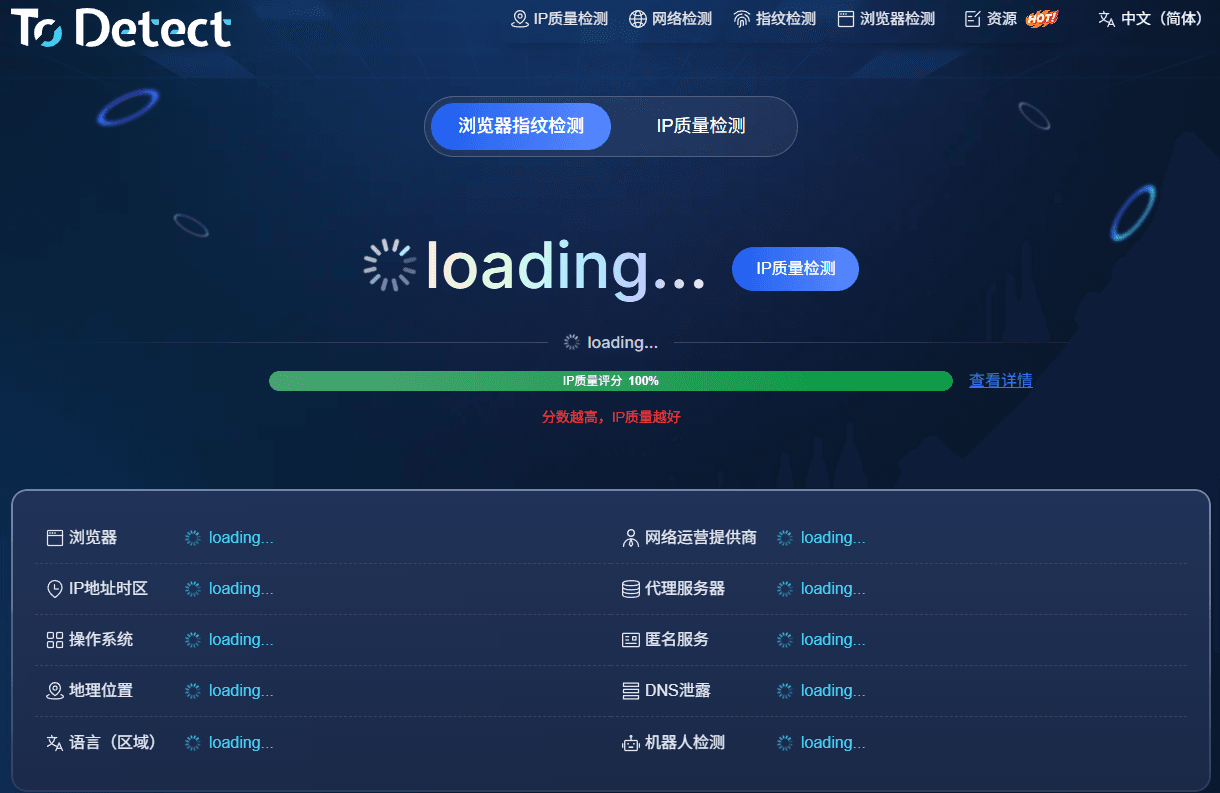
On top of basic IP detection, ToDetect also offers DNS leak, WebRTC, and browser fingerprint checks — handy for seeing exactly what your browser is broadcasting about your network and device.
For example, your IP geolocation might look fine, but that doesn't mean your DNS resolution path or browser fingerprint is behaving as expected. Running through different test categories gives you a fuller picture of your current network environment.
Its main advantage is bundling multiple detection features into a single site so you're not constantly jumping between tools. That said, browser fingerprint results don't directly equal IP reputation — you'll still want to cross-reference with other data points.
2. IP138 — Quick IP Geolocation Lookup
IP138 is a widely used IP lookup site in China, mainly for checking IP geolocation and carrier information.
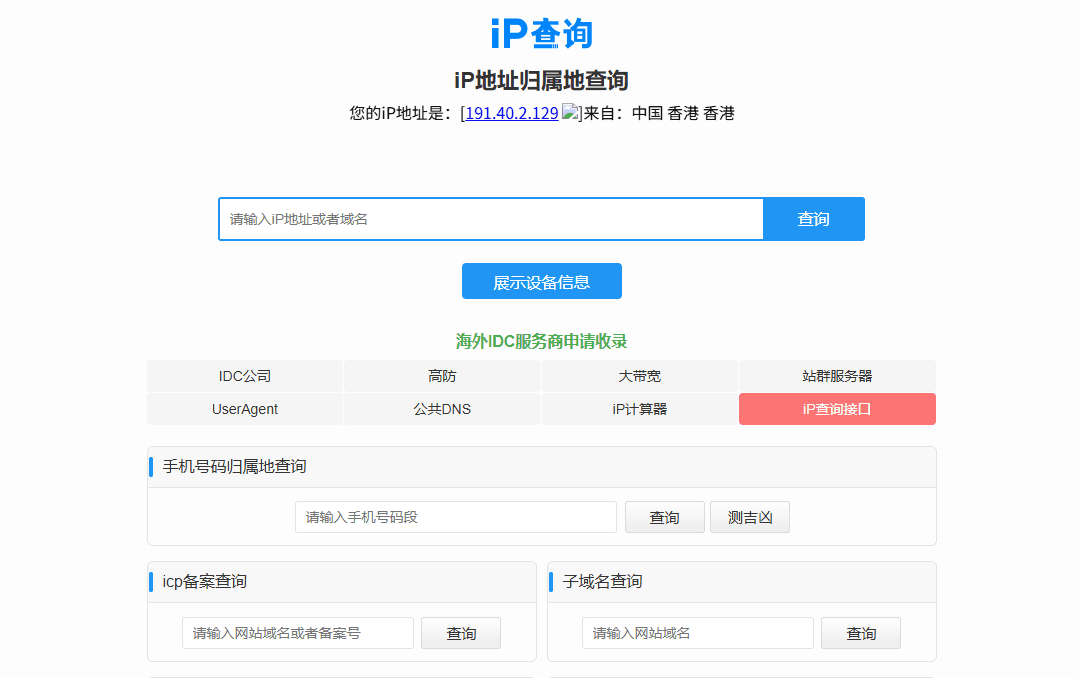
If all you need is to confirm which region an IP comes from or which carrier it belongs to, it gets the job done pretty straightforwardly.
That said, IP138 leans toward basic info lookup. For deeper analysis — things like IP reputation or historical anomaly records — you'll usually need to supplement it with other tools.
3. WhatIsMyIPAddress — IP Info & Blacklist Check
WhatIsMyIPAddress offers public IP lookup, geolocation, and blacklist checking, among other features.
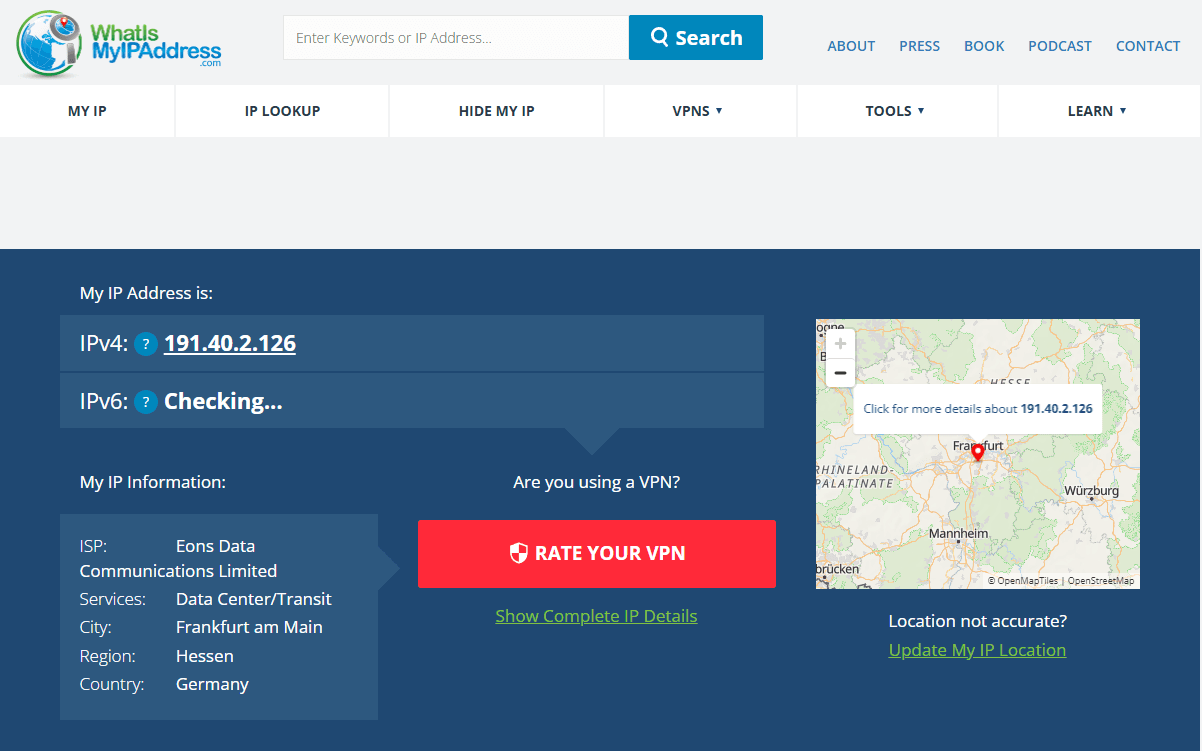
The blacklist check is particularly useful for finding out whether an IP shows up on any public records. Keep in mind, though, that different lists have different inclusion criteria and use cases.
Even if a record turns up, it doesn't automatically mean the IP has a real security issue — you'll want to dig into where the record came from before drawing conclusions.
4. IPinfo — Developer-Friendly IP Data Tool
IPinfo's standout feature is its structured IP data and API service.
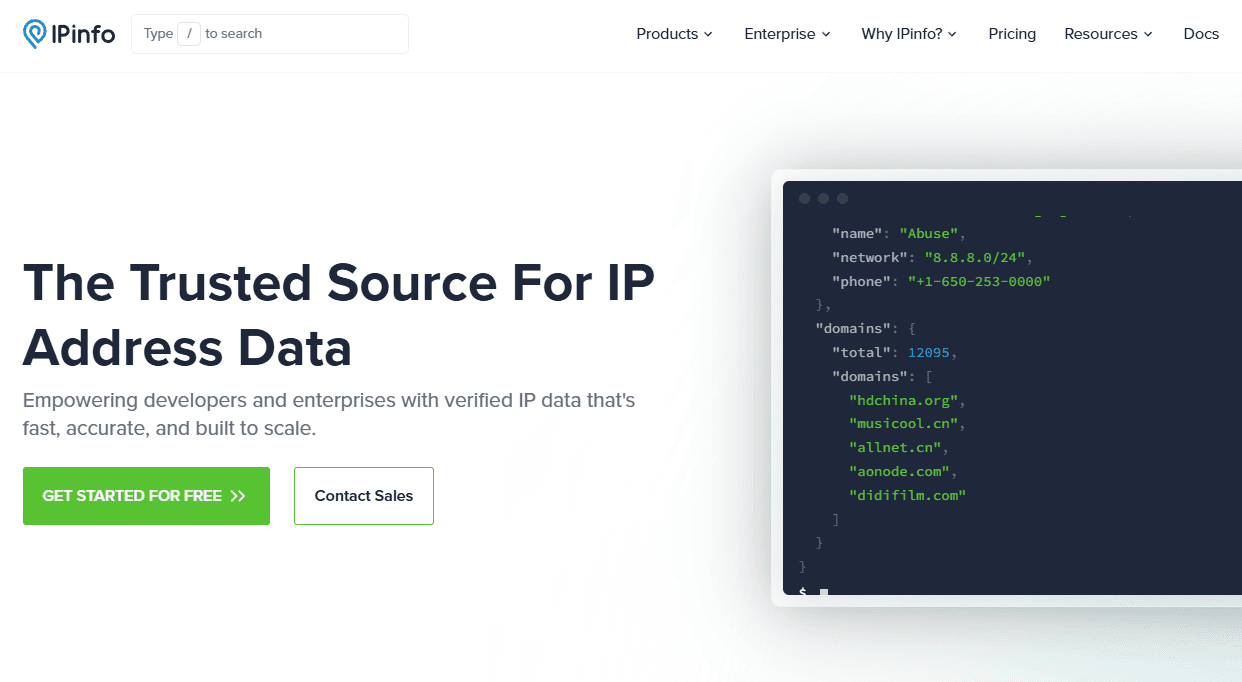
A query will show you the IP's associated network, ASN, geolocation, and more. For developers who need to build IP lookup capabilities into a website or internal system, the API is where it really shines.
If you only need to check an IP now and then, the web interface covers basic needs just fine. But when you're dealing with serious data volume, you'll want to pay attention to the API tier and rate limits that come with each plan.
5. Scamalytics — Focused on IP Reputation Scoring
Scamalytics specializes in IP fraud risk assessment. Its scores range from 0 to 100 — the higher the number, the higher the assessed risk.
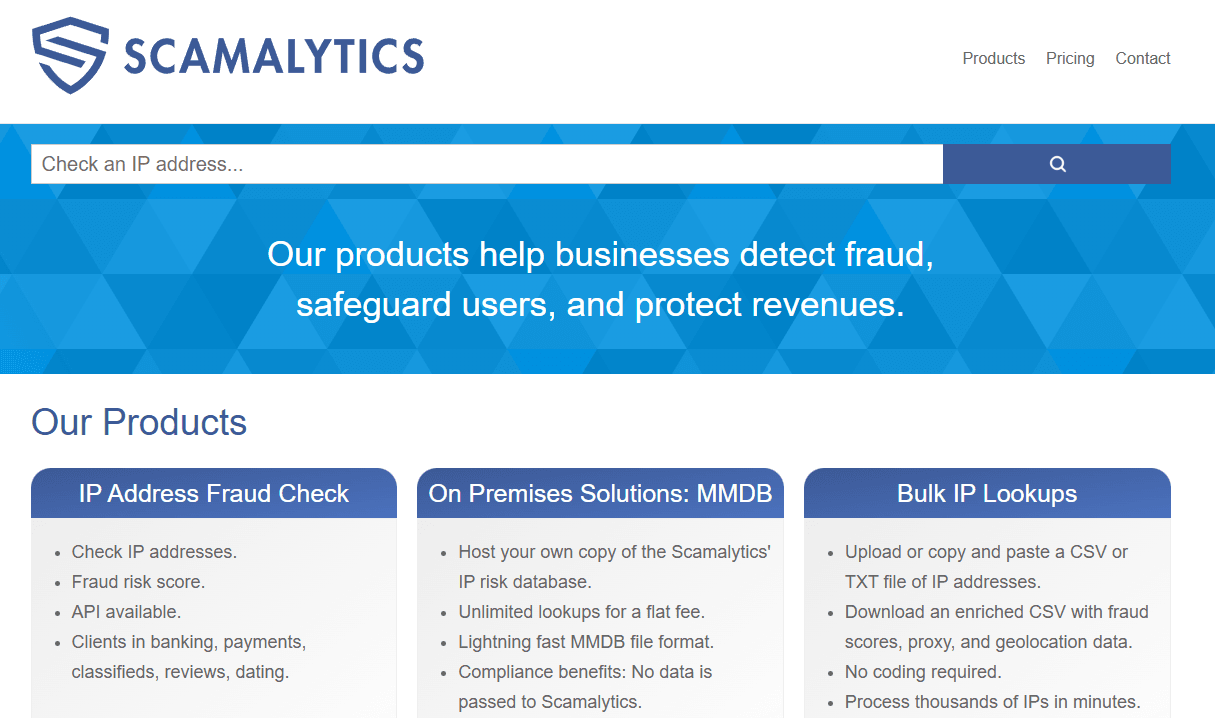
Unlike basic geolocation tools, this one zeroes in on IP reputation and signals of unusual activity.
That said, the score is based on the platform's own data model — it shouldn't be treated as the sole deciding factor for whether an IP is trustworthy.
6. IPIP.net — IP Geolocation & Network Data Lookup
IPIP.net primarily provides IP geolocation databases and related data services.
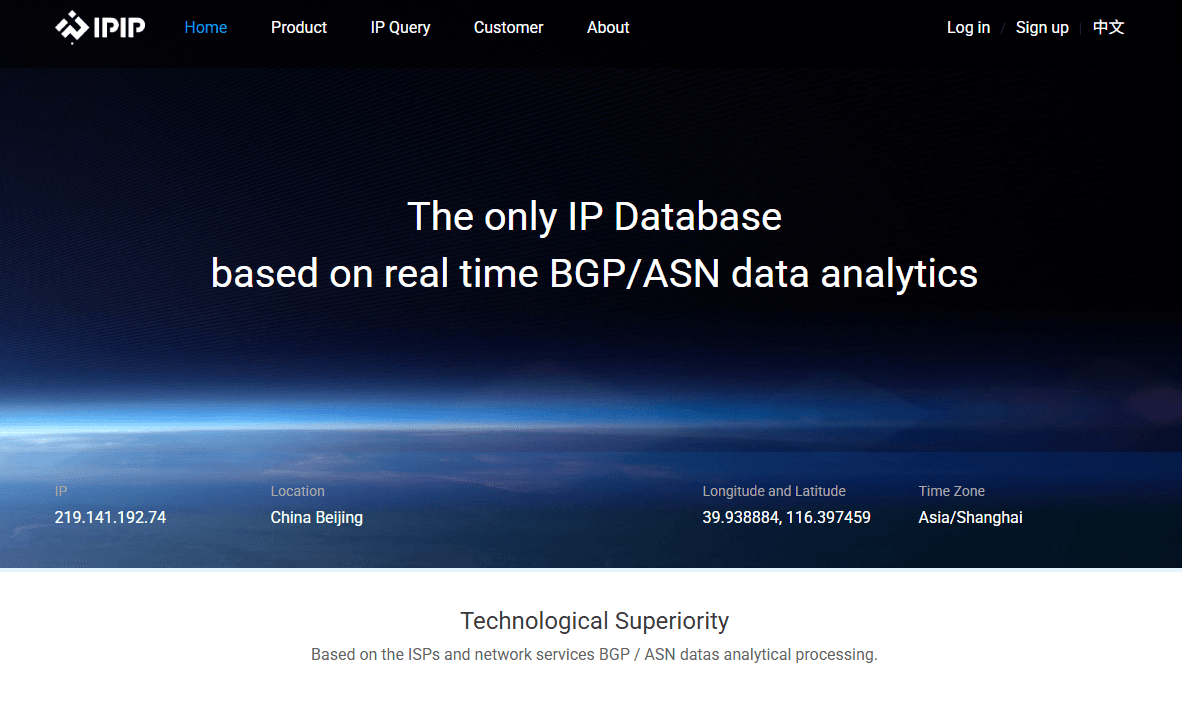
It's well-suited for looking up an IP's region, carrier, and network affiliation, and it also offers data services for enterprises and developers who need to integrate IP data into their own systems.
If what you really care about is an IP reputation score, you'll want to pair this with a dedicated reputation tool to get a clearer picture.
III. Feature Comparison: 6 IP Purity Detection Tools
| Tool | Key Features | Standout Strength | Best For |
|---|---|---|---|
| ToDetect | IP info, DNS leak, WebRTC, browser fingerprint detection | Multi-dimensional network environment check | Comprehensive network environment audit |
| IP138 | IP geolocation, carrier lookup | Simple and fast | Basic IP info queries |
| WhatIsMyIPAddress | IP info, blacklist check | Public blacklist lookup | IP reputation record verification |
| IPinfo | IP geolocation, ASN, API | Structured data service | Developers & enterprise use |
| Scamalytics | IP reputation, fraud risk scoring | 0–100 risk score | IP risk assessment |
| IPIP.net | IP geolocation, carrier, network affiliation | Focused on IP geolocation data | IP geolocation & data integration |
IV. Which IP Purity Detection Tool Is Right for You?
If you just need to check an IP's location, IP138 or IPIP.net will do the trick. If you need APIs and structured data, IPinfo deserves a closer look.
For IP reputation scoring, Scamalytics is worth a glance. And if you want to check IP info, DNS leaks, and browser fingerprints all at once, ToDetect has you covered.
In practice, a good workflow is to start with ToDetect for a quick overview of your network and browser environment, then cross-check IP reputation details using other sites.
V. Frequently Asked Questions About IP Purity Detection
Are IP purity detection results accurate?
The results are useful for reference, but no tool can guarantee 100% accuracy. Different databases and scoring models can produce varying results, so it's best to compare findings across multiple sources.
Is a lower risk score always better?
Not necessarily — it depends on the scoring rules. On Scamalytics, for instance, a lower score means lower assessed risk, but you can't assume the same logic applies to every other tool out there.
How often should I check my IP?
For most users, running a check whenever your network changes or you run into connection issues is plenty. In business environments where continuous network visibility matters, set a review cadence that matches your actual needs.
Wrapping Up
Beyond Ping0, there are plenty of practical IP purity detection tools out there — but they don't fully replace each other.
IP138 and IPIP.net are great for basic lookups, IPinfo is geared toward data services, Scamalytics brings IP reputation scoring to the table, and ToDetect ties IP info together with browser network environment detection.
When choosing a tool, don't chase a single "perfect score." Understand what each metric actually means, cross-reference data from different sources, and you'll get a much clearer read on your IP status and current network environment.
Browser Fingerprint Detection Tool
Efficiently solve multi-account management, environment isolation, and account security