Resources
 Feature overview

 Ganesh
 2026-08-11 11:23
Many people encounter a situation where querying the exact same IP address across different IP detection websites yields noticeably different results. One platform might show a specific city in China, while another points to a completely different region; some tools can even determine whether an IP belongs to a proxy or a data center.
The reasons behind these discrepancies come down to differences in IP database sources, detection algorithms, data update frequencies, and platform evaluation metrics. Choosing an accurate and reliable IP detection tool is essential.
Today, let's explore why these differences occur, how popular IP lookup websites compare, and which tools are best suited for deep IP quality analysis.

1. Why Do You Need an IP Detection Website?
An IP address functions like an "ID card" for the internet. For casual users, online IP lookup tools provide quick insights into public IP addresses, ISP information, and geographical locations.
However, for scenarios like cross-border e-commerce, social media management, and web scraping, IP verification demands are far more complex.
For example: verifying whether a proxy IP is active; checking if an IP is flagged as high-risk; analyzing IP ownership and network types; assessing server IP anomalies; and performing IP quality checks to determine long-term usability.
Therefore, a dependable IP detection tool must go beyond basic lookup data and offer advanced analytical capabilities.
2. Practical Analysis of Popular IP Lookup Platforms
Numerous platforms offer IP inspection services today, each prioritizing different metrics. Here is a practical review of several representative platforms.
1. ToDetect: Comprehensive Dimensions & Precise Quality Analysis
Among tested tools, ToDetect delivers standout performance. Beyond standard IP, location, and ISP details, it provides deep analysis into IP type classification, proxy detection, risk scoring, and overall quality verification.
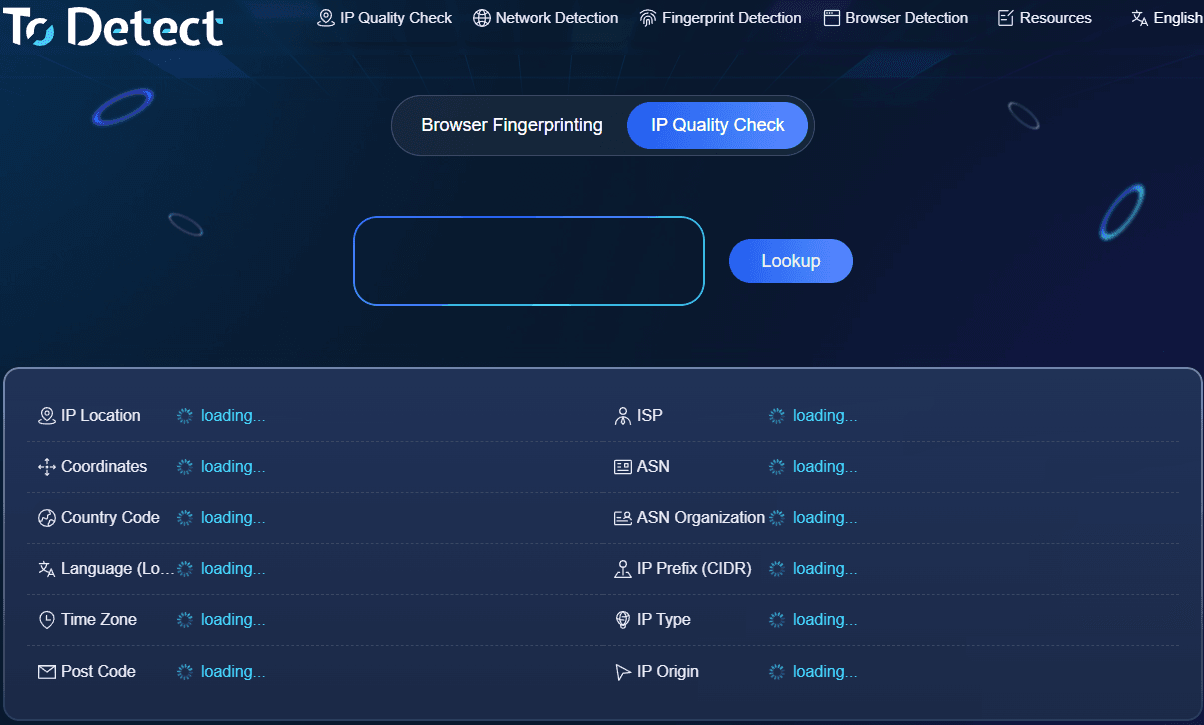
This depth is crucial for users conducting IP quality checks. A high-quality IP depends not just on its geographic region, but on whether it has been abused, maintains a clean risk history, or triggers CAPTCHA verifications.
In real-world tests, ToDetect outshines simple IP search tools in data completeness and actionable insights—making it ideal for proxy screening, cross-border testing, and browser environment checks.
2. IPinfo: Rich Global Data, Ideal for Developer Base Checks
IPinfo is widely used globally, backed by robust international IP datasets.
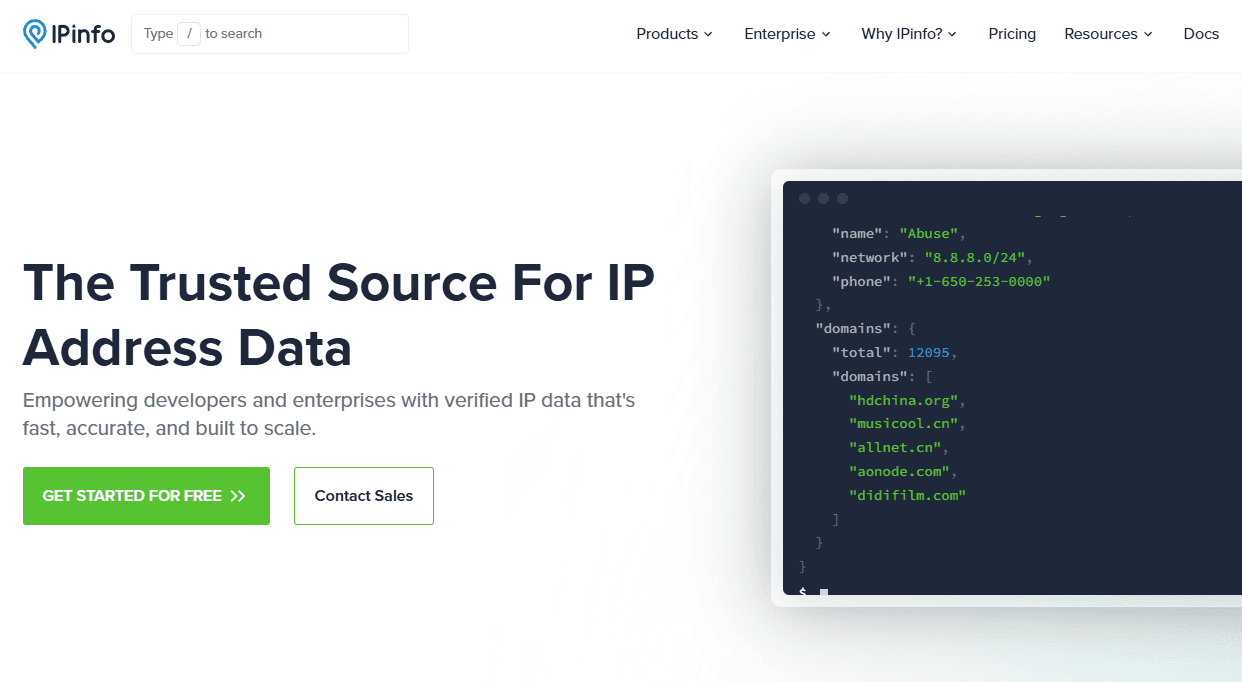
During evaluation, IPinfo displayed clear details regarding country, city, carrier, and ASN—making it handy for developers checking network relationships.
However, its primary focus remains data querying. It offers limited out-of-the-box visibility into proxy detection, risk scores, or granular IP health assessments.
3. IP138: Convenient Domestic Queries, Limited Depth
IP138 is a familiar tool in China, valued for fast load times and simplicity. For quickly checking local public IPs or general location, it works smoothly.
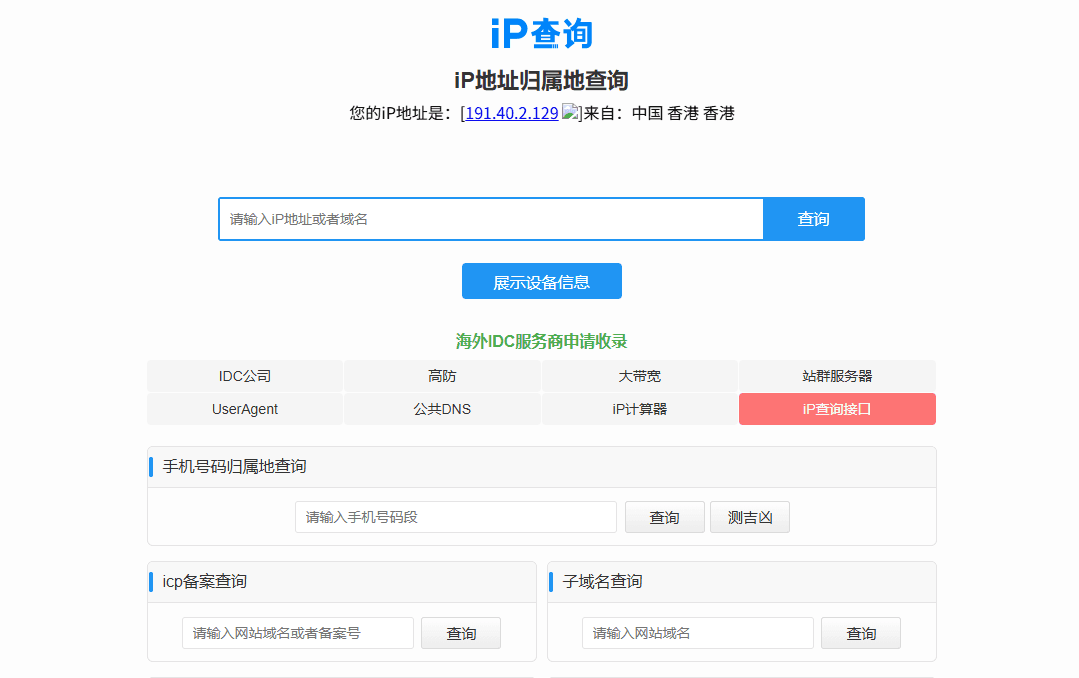
From a professional standpoint, it is primarily a basic geolocation lookup. When evaluating proxy IPs or overseas cloud servers, it lacks deeper metrics like proxy attributes, risk flags, and reputation scoring.
4. WhatIsMyIPAddress: Popular Overseas Basic Lookup
WhatIsMyIPAddress is another popular international platform for checking basic public IP address details and locations.
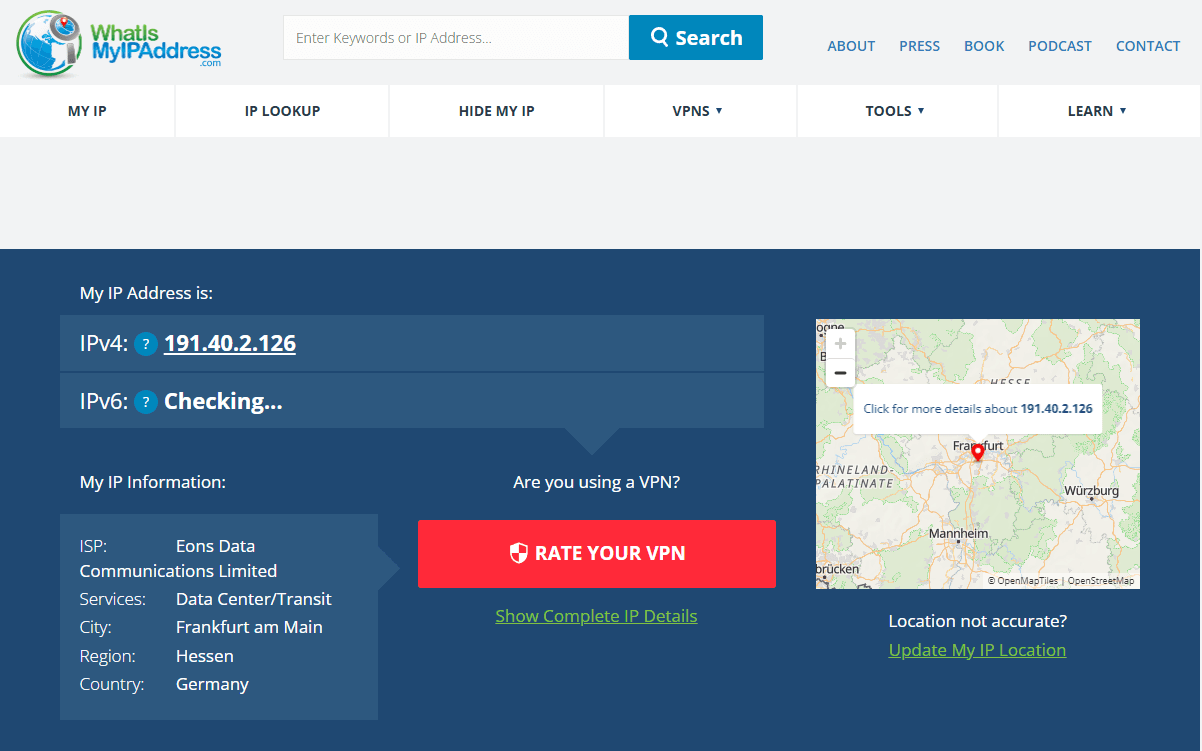
Like most entry-level platforms, it primarily answers "Where is this IP?" rather than "How trustworthy or clean is this IP?"
3. Comparison & Summary of Platform Results
Comparing these IP detection websites highlights clear differences in positioning and target usage:
| IP Detection Site | Basic IP Lookup | Geolocation Analysis | Proxy Identification | IP Quality Query | Best Suited For |
|---|---|---|---|---|---|
| ToDetect | ★★★★★ | ★★★★★ | ★★★★★ | ★★★★★ | Proxy detection, Business environment analysis |
| IPinfo | ★★★★★ | ★★★★★ | ★★★ | ★★★ | Developer IP data querying |
| IP138 | ★★★★ | ★★★★ | ★★ | ★★ | Quick domestic lookup |
| WhatIsMyIPAddress | ★★★★ | ★★★ | ★★ | ★★ | Basic overseas lookup |
4. Why Do Results Differ Across IP Detection Websites?
This is one of the most common user concerns. In reality, variances stem from several technical factors:
1. Database Update Cycles Vary
IP assignment data is dynamic. Major IP detection websites update their databases frequently, whereas free lookup tools update on longer schedules, leading to outdated results.
2. Different Data Sources
IP platforms draw from distinct datasets. Just as different map applications might mark locations slightly differently, IP platforms may show regional nuances despite agreeing on the general country.
Some platforms rely solely on public registries, while others synthesize ISP feeds, user access telemetry, security risk logs, and commercial datasets.
3. Inherent Geolocation Margins of Error
It is a misconception that IP addresses pinpoint precise streets or exact physical addresses. Public IP geolocation typically targets general regions, cities, or ISP routing hubs.
Cellular networks, enterprise broadbands, and cloud servers frequently route traffic far from registered address blocks. Thus, IP geolocation results should be taken as estimates rather than exact locations.
4. Differing Classification Criteria
Standards for defining "Residential IP," "Data Center IP," or "Proxy IP" vary by vendor. When conducting IP quality checks, cross-referencing multiple platforms yields the most accurate picture.
5. How to Choose the Right IP Detection Tool?
Select an IP tool based on your specific use case. If you simply need to answer "What is my IP?", standard online lookup sites are sufficient.
If evaluating proxy IPs, focus on key indicators:
• Active connectivity status;
• Correct IP type classification;
• Blacklist or risk flags;
• Shared vs. dedicated IP indicators;
• Network latency and stability.
For cross-border commerce, account management, or server administration, opt for specialized platforms offering reputation scoring, risk metrics, and proxy detection.
6. Cross-Verification Delivers the Most Reliable Results
Discrepancies across IP detection tools are normal and do not automatically indicate that a given platform is wrong.
Because IP data changes constantly and platforms employ varying algorithms, single-source verification can be misleading.
When checking a proxy IP, evaluate it on ToDetect alongside another lookup platform to cross-check location, carrier, and risk classifications.
Consistent results across multiple tools confirm high reliability, whereas major discrepancies signal the need for further inspection.
Conclusion
Overall, ToDetect provides robust, multi-dimensional detection capabilities—particularly in IP classification, risk assessment, and quality analysis—offering greater value than standard lookup sites.
Since IP databases evolve continuously, no single tool holds perfect real-time data. Combining insights across reliable IP detection websites remains the best approach.
Selecting an effective IP lookup tool helps keep track of network status and lowers operational risks tied to poor IP quality across modern web applications.