Resources
 Feature overview

 Ganesh
 2026-08-21 10:58
When using static residential IPs, proxy IPs, or engaging in cross-border operations, what truly matters is the IP's purity level, risk score, network type, and proxy attributes.
Therefore, to evaluate whether an IP address is high quality, relying on a basic IP lookup is far from enough. A multi-dimensional analysis using professional IP purity detection tools is necessary.
Below is a practical comparison of commonly used IP checker websites in 2026, evaluating them across detection features, IP risk scoring, proxy detection, and user experience to help you quickly find the right tool for your needs.
1. What is IP Purity Detection?
IP purity refers to the overall "health condition" of an IP address across the internet ecosystem. It doesn't follow a universally standardized 100-point scoring model; instead, it is assessed by combining IP types, historical risk logs, proxy detection attributes, network ownership, and reputation intelligence.
When auditing IP quality, you should monitor key metrics: target country and city, ISP & ASN, connection type (residential, datacenter, or mobile), proxy attributes, risk scores, and blacklist or abuse histories.
For environments requiring strict isolation, inspecting DNS leaks, WebRTC leaks, and browser signatures is essential. ToDetect provides comprehensive suite capabilities, covering IP quality analysis, proxy detection, DNS/WebRTC leak checks, and browser fingerprint verification.
2. Comparison of Popular IP Purity Detection Tools in 2026
While many IP lookup tools exist on the market, their primary focus areas differ significantly. Some are designed for casual IP geolocation checks, others cater to developer integrations, and specialized platforms focus on proxy IP quality and fraud risk scoring.
3. ToDetect: A Comprehensive IP Purity Checker
If you need to evaluate whether an IP is usable, identify its risk level, or determine its underlying connection type beyond basic lookups, ToDetect is a top-tier option.
It goes beyond simple online IP lookups by offering multi-dimensional evaluations across connection classification, risk scoring, proxy detection, and environment checks. For users new to IP testing, having centralized intelligence eliminates the need to consult multiple platforms.
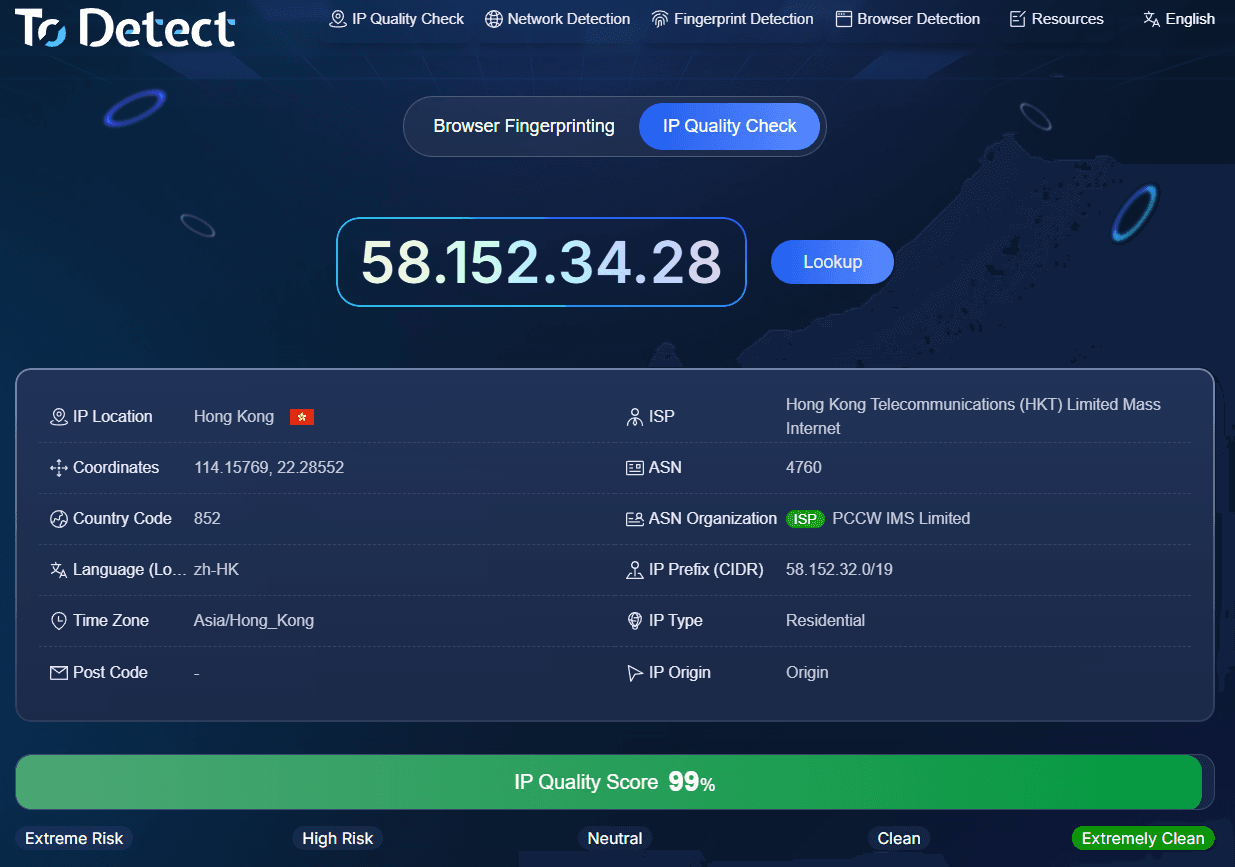
When running an audit, you can analyze geolocation, ISP, and ASN data, followed by proxy tags and threat flags. If network environment integrity is critical, DNS and WebRTC diagnostic panels provide instant verification.
In practical application, ToDetect is tailored for cross-border e-commerce, global marketing operations, proxy verification, web application testing, and security auditing.
4. Scamalytics: Specialized in IP Risk and Fraud Scoring
Scamalytics differentiates itself by focusing heavily on IP threat analysis and fraud risk scoring.
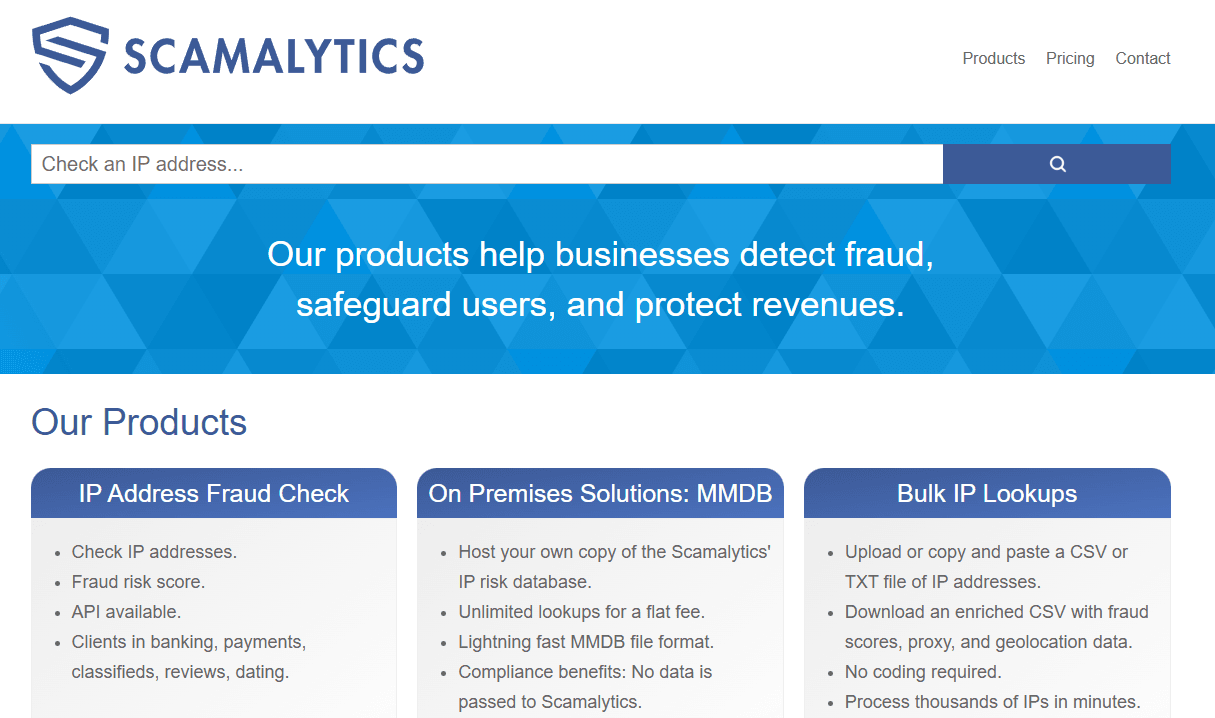
If your primary goal is checking whether an IP belongs to a proxy, VPN, Tor node, or datacenter subnet, or evaluating high fraud probabilities, Scamalytics provides precise benchmarks.
As a result, Scamalytics serves as an excellent auxiliary platform for risk control and trust scoring. For everyday IP purity checks, an all-in-one suite may offer a broader feature set.
5. Whoer: Ideal for Quick Network Environment Audits
Whoer is a widely recognized browser testing tool that displays basic IP details alongside privacy indicators like anonymity levels, DNS leaks, and WebRTC statuses.
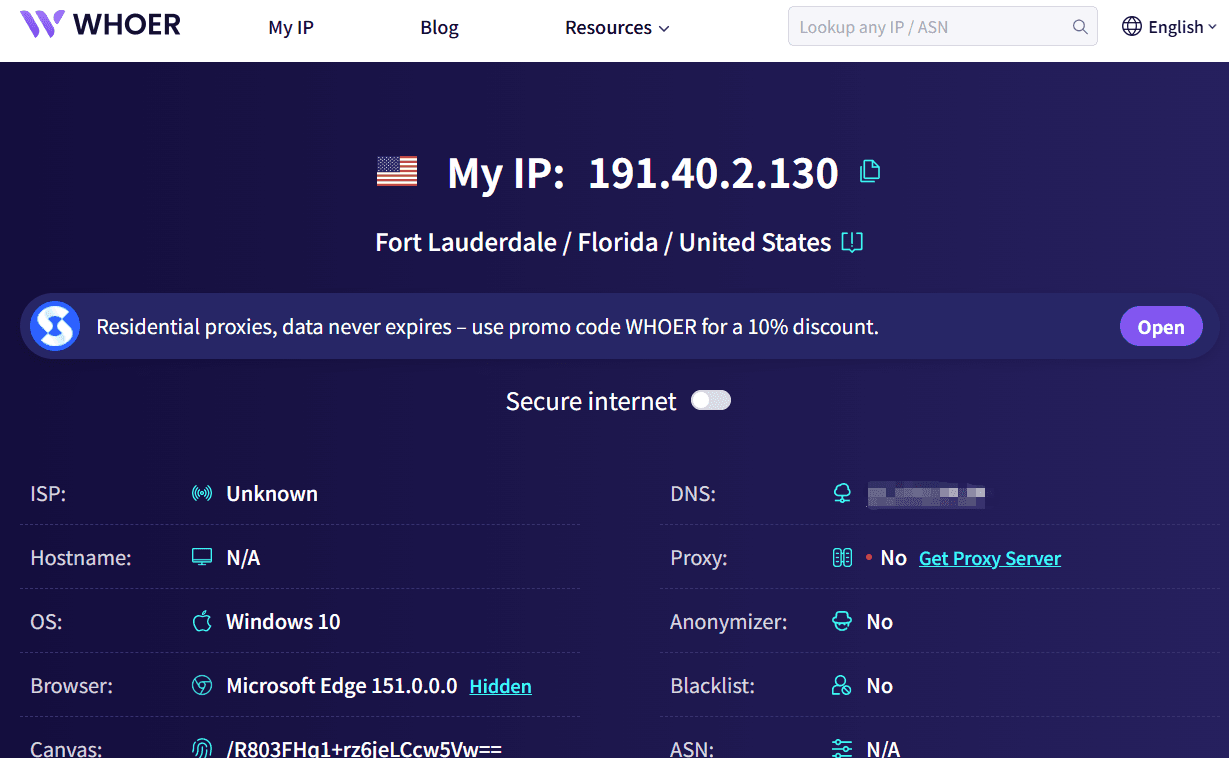
For general users, Whoer offers an easy-to-use interface. However, if deep risk analytics, proxy taxonomy, or comprehensive health scores are required, pairing it with specialized IP checkers is recommended.
6. IPinfo & IP2Location: Tailored for Core IP Data
If your main focus involves validating underlying technical metadata—such as geolocation, ASN ranges, ISP entities, or network categories—IPinfo and IP2Location offer reliable data feeds.
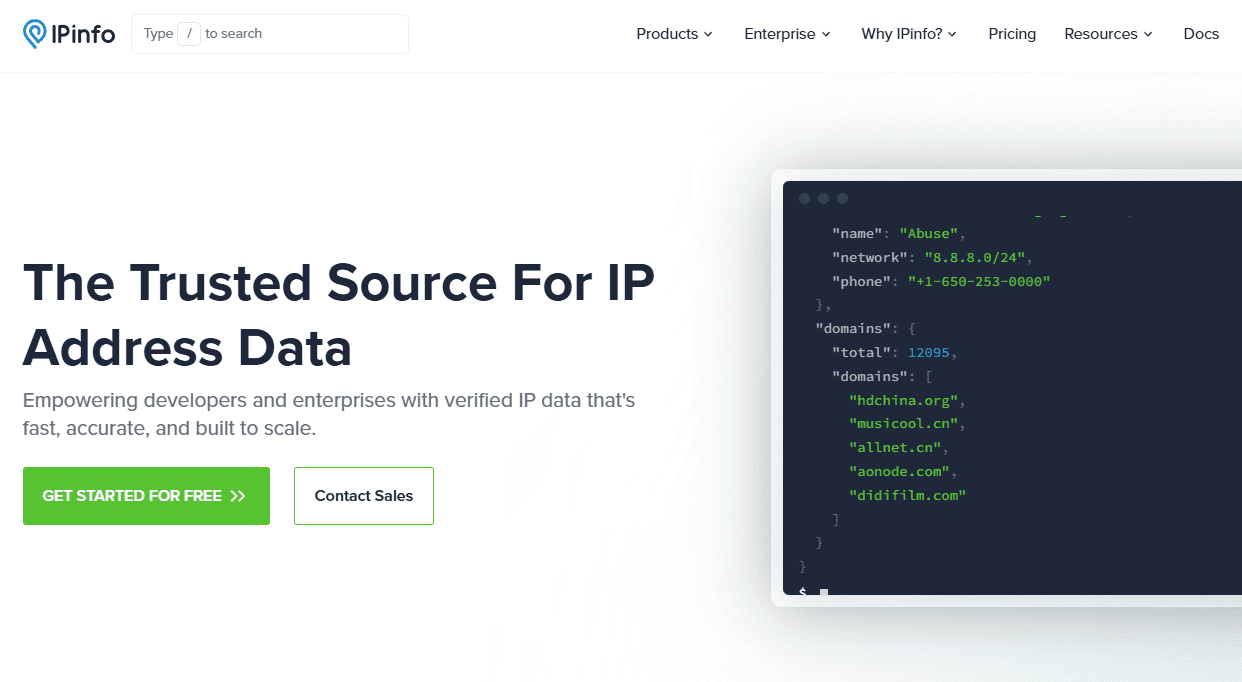
These tools feature extensive database coverage, making them well-suited for developers, SEO specialists, platform engineers, and enterprise users integrating IP lookup APIs.
7. AbuseIPDB: Focused on Historical Abuse Records
Some IP addresses appear clean on the surface but carry a history of spamming, port scanning, web scraping, or malicious traffic. In these scenarios, checking historical abuse reports is crucial.
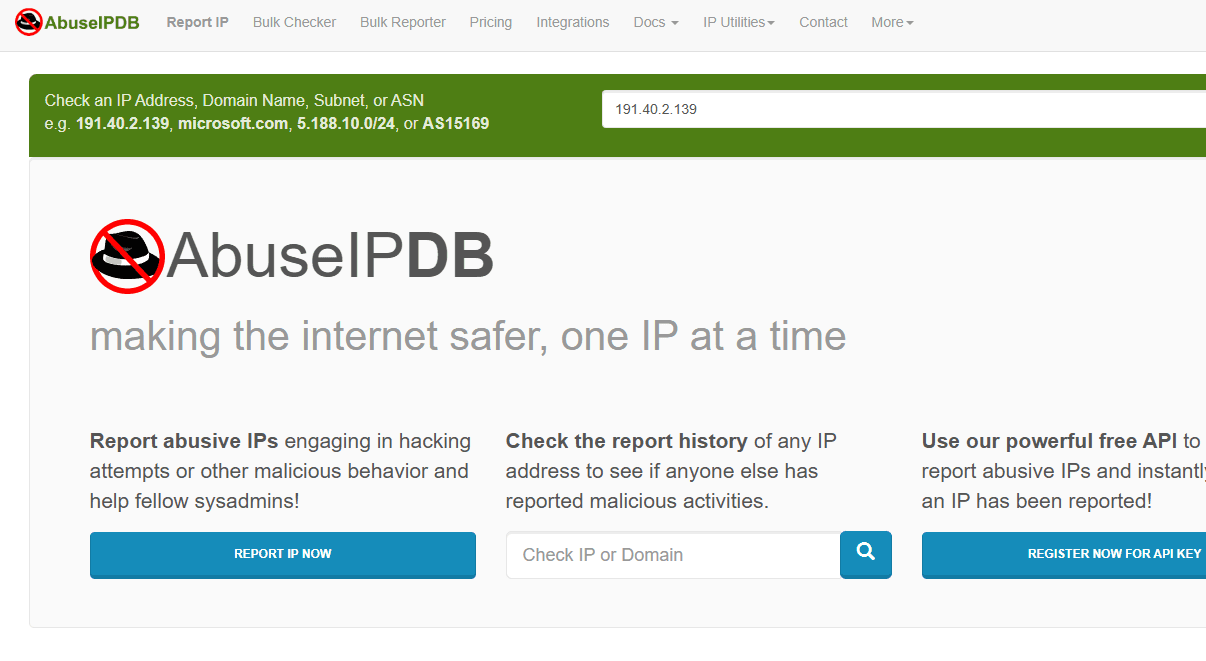
AbuseIPDB excels in crowd-sourced threat intelligence, helping verify if an IP address has recent user reports or active blocklist flags.
8. How to Properly Evaluate IP Purity
Start by confirming the IP connection type—whether it is residential, mobile, or datacenter. Next, check the ISP and ASN to verify network origin. Then, review proxy detection flags to identify active tunneling or masking.
Afterward, inspect threat scores, blacklist presence, and abuse history logs. For operations with strict security requirements, perform additional checks for DNS or WebRTC leaks.
Effective IP purity evaluation goes beyond looking at a single score. It requires a holistic assessment of geolocation, network type, risk factors, proxy headers, and browser environment settings.
Summary: How to Choose an IP Detection Tool in 2026
Considering features, ease of use, and audit depth, ToDetect serves as a strong primary choice for everyday IP quality testing. It consolidates IP queries, quality scoring, proxy recognition, risk flags, and leak tests into a single platform.
Because IP metrics evolve dynamically based on usage patterns and database updates, the most reliable approach remains: "Test first, verify second, evaluate across multiple dimensions."
Finally, keep in mind that a "100% clean IP" cannot be guaranteed by a single site alone. When selecting proxies or static residential IPs, combine purity testing with practical testing in your actual operating environment.